
Introduction
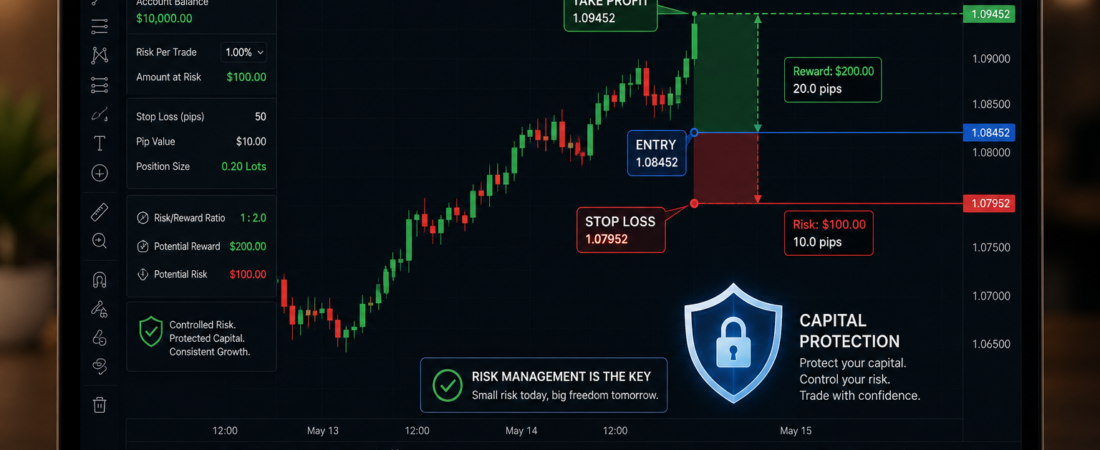
What is risk management in Forex? Risk management is the process of identifying, controlling, and limiting potential losses while trading in the Forex market. It involves using strategies and tools such as stop losses, proper position sizing, leverage control, and disciplined trading practices to protect trading capital.
Watch the Video Version
Prefer watching instead of reading? Watch the complete tutorial below, then continue reading for more detailed explanations and additional tips.
Many beginner traders enter the Forex market believing that success depends entirely on finding profitable trades. They spend countless hours searching for winning strategies, perfect entry points, and secret indicators. While these factors are important, they are not what determine long-term success.
The reality is that even the best traders experience losses. No trading strategy can predict the market with complete accuracy. The difference between successful traders and unsuccessful traders is often not the number of winning trades they have but how well they manage risk when trades go wrong.
Risk management is the foundation of professional trading. It helps traders survive losing streaks, preserve capital, reduce emotional decision-making, and remain active in the market long enough to benefit from profitable opportunities. Without proper risk management, even a trader with an excellent strategy can quickly lose their account.
Imagine building a house without a strong foundation. No matter how beautiful the structure appears, it will eventually collapse. Similarly, trading without risk management may produce temporary profits, but it often leads to long-term failure.
In this guide, you will learn what risk management in Forex means, why it is important, the most effective risk management techniques, and ten proven rules every trader should follow to protect their capital and improve their chances of long-term success.
What Is Risk Management in Forex?
Risk management in Forex refers to the process of controlling potential losses and protecting trading capital. It involves making decisions that reduce exposure to unnecessary risk while maximizing opportunities for sustainable growth.
Every trade involves uncertainty. A trader may analyze the market correctly and still experience a loss due to unexpected news events, market volatility, or changes in investor sentiment. Because losses are unavoidable, successful traders focus on controlling them rather than trying to eliminate them completely.
Risk management answers several important questions before a trade is placed:
- How much money am I willing to risk?
- Where should my stop loss be placed?
- What position size should I use?
- How much leverage is appropriate?
- Does the potential reward justify the risk?
Professional traders ask these questions before entering every trade. Beginners often ignore them and focus only on potential profits.
The primary goal of risk management is not to maximize profits but to protect capital. Capital preservation ensures that traders remain in the market and have opportunities to recover from losses and benefit from future winning trades.
Why Risk Management Is Important
Risk management is often described as the most important aspect of trading because it protects the one thing every trader needs to survive: capital.
Without proper risk management, a series of losing trades can quickly destroy an account. Even profitable traders can fail if they take excessive risks on individual trades.
Consider two traders with identical strategies.
Trader A risks 2% of their account per trade.
Trader B risks 20% of their account per trade.
Both traders experience five consecutive losing trades.
Trader A loses only a small portion of the account and can continue trading confidently.
Trader B suffers a devastating drawdown and may struggle to recover financially and emotionally.
This example highlights why risk management matters. Trading success is not determined solely by how much money you make but also by how effectively you protect yourself from significant losses.
Proper risk management helps traders:
- Preserve capital
- Reduce emotional stress
- Survive losing streaks
- Improve consistency
- Build confidence
- Maintain long-term profitability
Rule 1: Never Risk More Than You Can Afford to Lose
The first rule of risk management is simple: never risk money that you cannot afford to lose.
Forex trading carries significant risk, and losses are a normal part of the process. Trading funds should always come from disposable income rather than money needed for rent, bills, education, or essential expenses.
When traders risk money they cannot afford to lose, emotions often take control. Fear, anxiety, and desperation can lead to poor decision-making and unnecessary mistakes.
Trading should be approached as a business activity, not as a solution to financial problems.
Rule 2: Use a Stop Loss on Every Trade
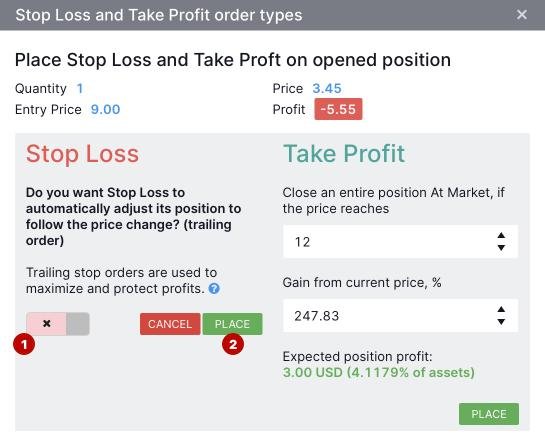
A stop loss is one of the most effective risk management tools available to traders.
A stop loss automatically closes a trade when the market reaches a predetermined price level, limiting potential losses.
Without a stop loss, losses can grow rapidly during periods of volatility or unexpected market movements. how stop loss orders work
Professional traders understand that accepting small losses is far better than allowing a single trade to cause significant damage to an account. margin call in forex
A properly placed stop loss helps traders maintain discipline and prevents emotional decision-making. stop loss in forex
Rule 3: Risk Only 1% to 2% Per Trade
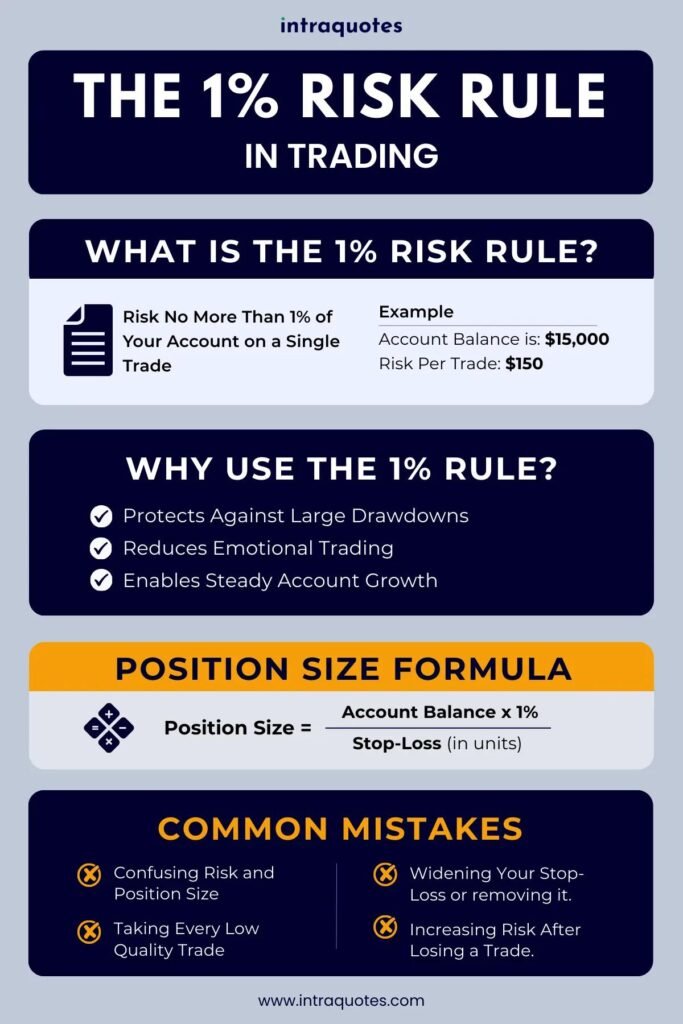
Many successful traders follow the 1% to 2% rule.
This means risking only 1% or 2% of the account balance on any single trade.
For example:
- Account Balance: $1,000
- Risk Per Trade: 2%
- Maximum Loss: $20
Even after several consecutive losses, the account remains largely intact.
This approach helps traders survive difficult periods and maintain consistency over the long term. margin in forex
Rule 4: Control Your Leverage
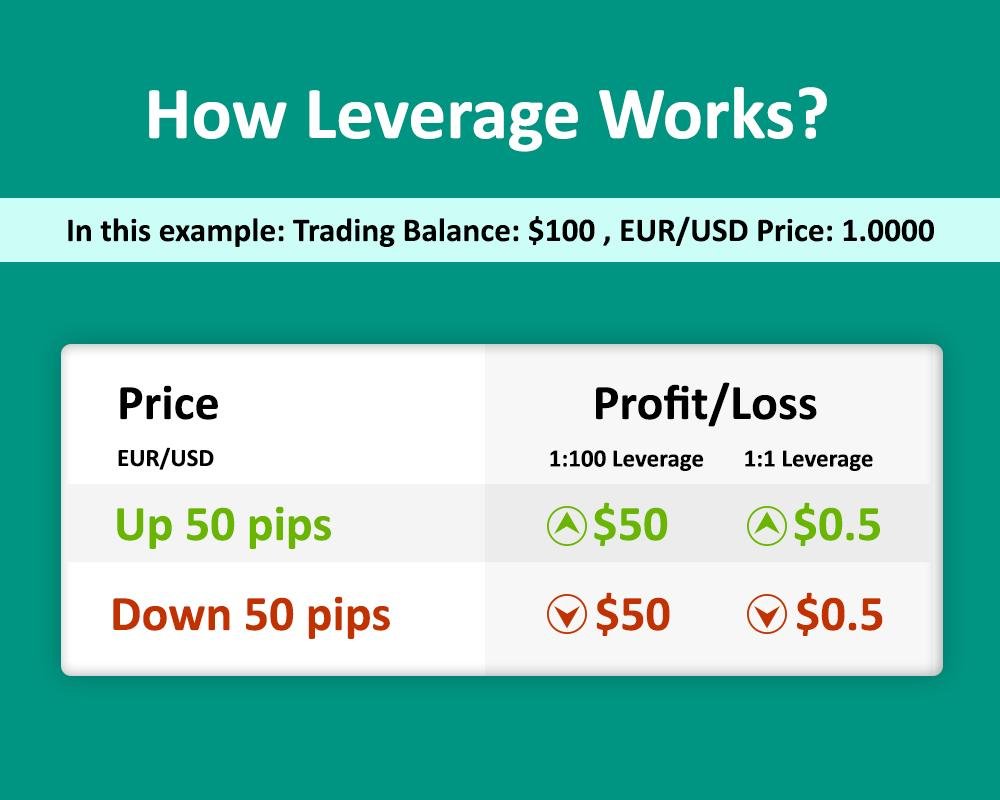
Leverage can increase both profits and losses.
While leverage allows traders to control larger positions with smaller amounts of capital, excessive leverage can significantly increase risk.
Many beginners are attracted to high leverage because of the potential for larger profits. However, the same leverage can magnify losses and quickly lead to margin calls.
Successful traders use leverage responsibly and understand its impact on risk exposure. leverage in forex
Rule 5: Calculate Position Size Correctly
Position sizing determines how much capital is exposed on a trade.
Even with a stop loss, incorrect position sizing can create excessive risk.
Traders should adjust their lot size based on account size, stop loss distance, and acceptable risk percentage.
Proper position sizing ensures that no single trade can significantly damage the account. lot size in forex
Rule 6: Maintain a Positive Risk-Reward Ratio
A risk-reward ratio compares potential profit to potential loss.
For example:
- Risk: $50
- Reward: $150
Risk-reward ratio = 1:3
This means the trader stands to gain three times more than the amount being risked. take profit in forex
A positive risk-reward ratio allows traders to remain profitable even if they do not win every trade.
Rule 7: Diversify Carefully
Placing all trading capital into highly correlated trades can increase risk.
For example, opening multiple positions that all depend on the strength of the US dollar may expose the account to unnecessary concentration risk.
Diversification helps reduce the impact of unexpected market movements.
However, diversification should be strategic rather than random.
Rule 8: Avoid Emotional Trading
Fear and greed are among the biggest threats to successful trading.
Fear may cause traders to close winning trades too early or avoid valid opportunities.
Greed may encourage excessive risk-taking and overtrading.
Risk management helps reduce emotional influence by creating predefined rules and boundaries.
The more structured a trader’s plan, the less likely emotions will control decisions.
Rule 9: Keep a Trading Journal
A trading journal allows traders to record:
- Entry points
- Exit points
- Stop losses
- Position sizes
- Results
- Lessons learned
Reviewing a trading journal helps identify patterns, strengths, and weaknesses.
Many professional traders consider journaling an essential part of continuous improvement.
Rule 10: Focus on Long-Term Survival
The goal of trading is not to become rich from a single trade.
The goal is to remain profitable over hundreds or thousands of trades.
Every risk management decision should support long-term survival rather than short-term excitement.
Successful traders think in terms of probabilities and consistency rather than individual outcomes.
Common Risk Management Mistakes
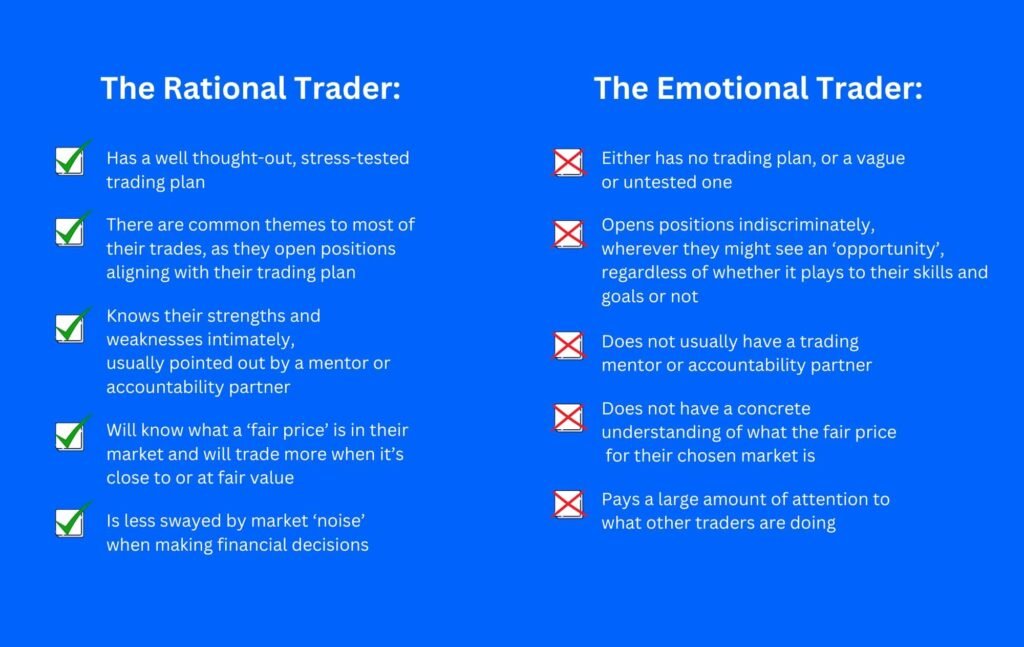
Many traders make mistakes that undermine their risk management efforts.
Common mistakes include:
- Trading without a stop loss
- Risking too much on one trade
- Using excessive leverage
- Ignoring position sizing
- Moving stop losses further away
- Overtrading
- Chasing losses
Recognizing and avoiding these mistakes can significantly improve trading performance.
Benefits of Effective Risk Management
Effective risk management provides several important benefits:
- Protects trading capital
- Reduces emotional stress
- Improves consistency
- Increases confidence
- Supports long-term profitability
- Helps traders survive losing streaks
Most importantly, risk management allows traders to remain active in the market long enough to develop experience and improve their skills.
Forex Risk Management Guide (CMC Markets)
forex risk management strategies
Frequently Asked Questions
What is risk management in Forex?
Risk management in Forex is the process of identifying, evaluating, and controlling potential losses while trading in the foreign exchange market. It involves using strategies and tools such as stop losses, position sizing, leverage control, and risk-reward ratios to protect trading capital. The primary goal of risk management is not to eliminate losses completely, because losses are a normal part of trading, but to ensure that losses remain small enough that they do not significantly damage the trading account. Effective risk management allows traders to stay in the market longer, remain emotionally disciplined, and improve their chances of achieving consistent long-term results.
Why is risk management important?
Risk management is important because it protects a trader’s capital, which is the most valuable asset in trading. Without proper risk management, even a few losing trades can severely damage an account and make recovery difficult. The Forex market is highly volatile, and unexpected price movements can occur at any time due to economic news, political events, or changes in market sentiment. Risk management helps traders prepare for these uncertainties by limiting exposure to excessive losses. It also reduces emotional stress, improves trading discipline, and allows traders to survive losing streaks while maintaining confidence in their trading strategy.
How much should I risk per trade?
The amount of risk per trade depends on a trader’s account size, experience level, and risk tolerance. However, many professional traders recommend risking only 1% to 2% of total account balance on any single trade. For example, if a trader has a $1,000 account and follows a 2% risk rule, the maximum loss allowed on a trade would be $20. This approach helps preserve capital during losing periods and prevents a single trade from causing significant damage to the account. By keeping risk small and consistent, traders can withstand multiple losses and continue trading without putting their entire account at risk.
Is a stop loss part of risk management?
Yes, a stop loss is one of the most important components of risk management. A stop loss is an order that automatically closes a trade when the market reaches a predetermined price level. Its purpose is to limit losses and protect trading capital. Without a stop loss, a trader may be exposed to unlimited losses if the market moves sharply against their position. Stop losses also help remove emotional decision-making because they enforce a predefined exit strategy. When combined with proper position sizing and risk-reward planning, stop losses become a powerful tool for maintaining discipline and protecting an account from major losses.
Can risk management guarantee profits?
No, risk management cannot guarantee profits because no trading strategy can predict the market with complete accuracy. The Forex market is influenced by countless factors, many of which are unpredictable. However, while risk management cannot guarantee profits, it can significantly improve a trader’s chances of long-term success. By limiting losses, protecting capital, and ensuring consistent trading practices, risk management helps traders remain in the market long enough to benefit from profitable opportunities. In many cases, successful trading is not about avoiding losses entirely but about making sure that winning trades outweigh losing ones over time.
What happens if I trade without risk management?
Trading without risk management can expose a trader to significant financial losses and emotional stress. Without clear rules for position sizing, stop losses, and leverage usage, traders may take excessive risks that can quickly deplete their accounts. A single large loss can erase weeks or even months of profits. Additionally, traders who lack risk management often make emotional decisions driven by fear, greed, or frustration. Over time, this can lead to inconsistent performance and account failure. Risk management provides the structure and discipline needed to trade responsibly and sustainably.
Is leverage related to risk management?
Yes, leverage is closely connected to risk management because it directly affects the amount of risk a trader takes. While leverage allows traders to control larger positions with smaller amounts of capital, it also magnifies potential losses. High leverage can produce significant gains, but it can also lead to rapid account losses if trades move against the trader. Effective risk management requires understanding how leverage works and using it responsibly. Many successful traders use moderate leverage levels and focus on protecting capital rather than maximizing short-term profits.
Final Thoughts
Understanding what risk management in Forex may be one of the most important lessons a trader can learn. While many beginners enter the Forex market focused on finding winning strategies, predicting market movements, or maximizing profits, experienced traders understand that long-term success begins with protecting capital. No matter how effective a trading strategy may be, it cannot succeed consistently without a solid risk management framework.
One of the biggest misconceptions among new traders is believing that successful trading means avoiding losses altogether. In reality, losses are a natural and unavoidable part of trading. Even professional traders, hedge fund managers, and institutional investors experience losing trades. What separates successful traders from unsuccessful ones is not the absence of losses, but their ability to control those losses and prevent them from causing significant damage to their accounts.
Risk management provides traders with a structured approach to handling uncertainty. It helps remove emotion from decision-making and encourages discipline, consistency, and patience. By using tools such as stop losses, proper position sizing, leverage control, and positive risk-reward ratios, traders can ensure that a single mistake or unexpected market movement does not jeopardize their entire trading account.
It is also important to understand that Forex trading is not a sprint but a marathon. Sustainable success is built over time through hundreds of carefully managed trades rather than a few lucky wins. Traders who focus solely on making money often expose themselves to unnecessary risks, while those who focus on protecting capital create a foundation that allows profits to grow steadily over the long term.
As you continue your Forex trading journey, make risk management the cornerstone of every decision you make. Before entering any trade, ask yourself how much you are willing to risk, whether the potential reward justifies the risk, and how the trade fits into your overall trading plan. These questions may seem simple, but they can make the difference between long-term success and repeated account losses.
Ultimately, successful trading is not about winning every trade. It is about managing risk effectively, preserving capital during difficult periods, and remaining disciplined enough to take advantage of future opportunities. Traders who consistently protect their capital are often the ones who stay in the market long enough to achieve meaningful and lasting results.
Disclaimer
The information provided in this article is intended solely for educational and informational purposes and should not be interpreted as financial, investment, legal, or trading advice. The Forex market involves substantial risk, and trading foreign currencies may not be suitable for all investors. Due to the use of leverage, traders can experience significant gains, but they can also incur substantial losses, including the loss of their entire invested capital.
The examples, strategies, and concepts discussed in this article are designed to help readers understand the principles of risk management in Forex trading. However, they should not be considered guarantees of future performance or profitability. Financial markets are influenced by numerous factors, including economic data, geopolitical events, market sentiment, and unexpected global developments, all of which can affect trading outcomes.
Before engaging in Forex trading, you should carefully evaluate your financial objectives, trading experience, and risk tolerance. Never trade with money that you cannot afford to lose, and always conduct your own independent research before making any financial decisions. If necessary, seek guidance from a qualified financial advisor or investment professional who can provide advice tailored to your specific circumstances.
Past performance is not a reliable indicator of future results. While effective risk management can help reduce potential losses and improve trading discipline, no strategy can eliminate risk entirely or guarantee profits. All trading decisions are made at your own discretion and responsibility.
By reading and applying the information in this article, you acknowledge that Forex trading carries inherent risks and that you are solely responsible for your own trading and investment decisions. Always trade responsibly, use proper risk management techniques, and prioritize capital preservation as a key component of long-term trading success.