
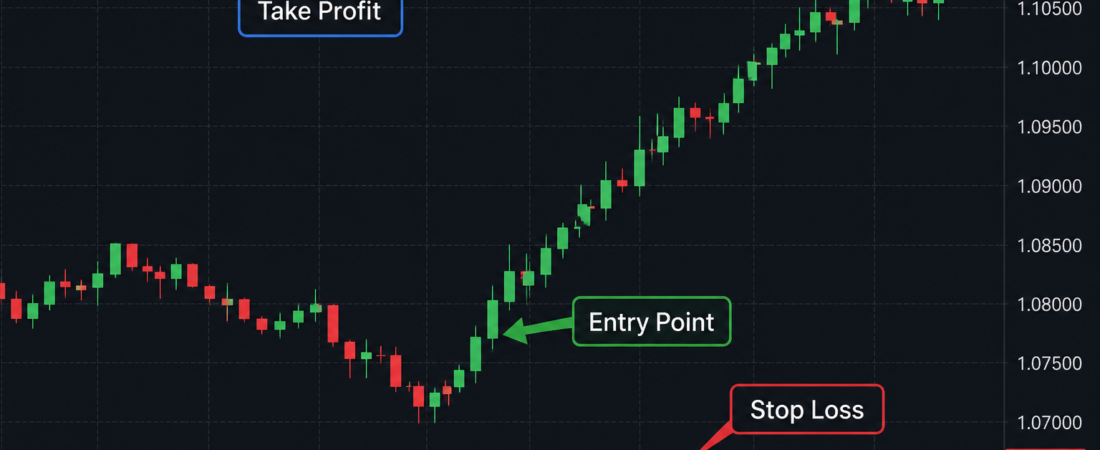
What is a stop loss in forex? Many beginner traders underestimate the importance of stop losses because they focus primarily on potential profits rather than potential losses. They spend hours searching for the perfect entry point, the most profitable currency pair, or the latest trading strategy. Yet, they often ignore the one tool designed to protect their capital when the market moves against them. stop loss order explained
The truth is that no trader can predict the market with complete accuracy. Even the most experienced professional traders have losing trades. The difference between successful traders and unsuccessful traders is not that successful traders never lose; it is that they manage losses effectively.
A stop loss helps traders accept this reality. Instead of hoping the market will eventually reverse, traders define their maximum acceptable loss before entering a trade. This creates structure, discipline, and emotional control.
The Forex market can be extremely unpredictable. Major economic announcements, interest rate decisions, geopolitical tensions, and unexpected market events can cause prices to move rapidly within seconds. During such periods, a trade that appears safe can suddenly move against the trader.
Without a stop loss, small losses can quickly grow into large losses. A trader may initially lose 20 pips, then refuse to close the trade because they believe the market will recover. As the market continues moving against them, the loss increases to 50 pips, then 100 pips, and eventually becomes large enough to threaten the entire account.
A properly placed stop loss prevents this situation. It acts as a protective barrier that automatically exits the trade when the predefined risk limit is reached. This allows traders to preserve their capital and remain in the market long enough to take advantage of future opportunities.
In many ways, a stop loss is similar to insurance. People buy insurance not because they expect something bad to happen, but because they understand that unexpected events can occur. Likewise, traders use stop losses not because they expect every trade to fail, but because they recognize that losses are an unavoidable part of trading.
Successful trading is not about avoiding losses entirely. It is about ensuring that losses remain manageable so that they do not destroy the account. learn Forex trading basics
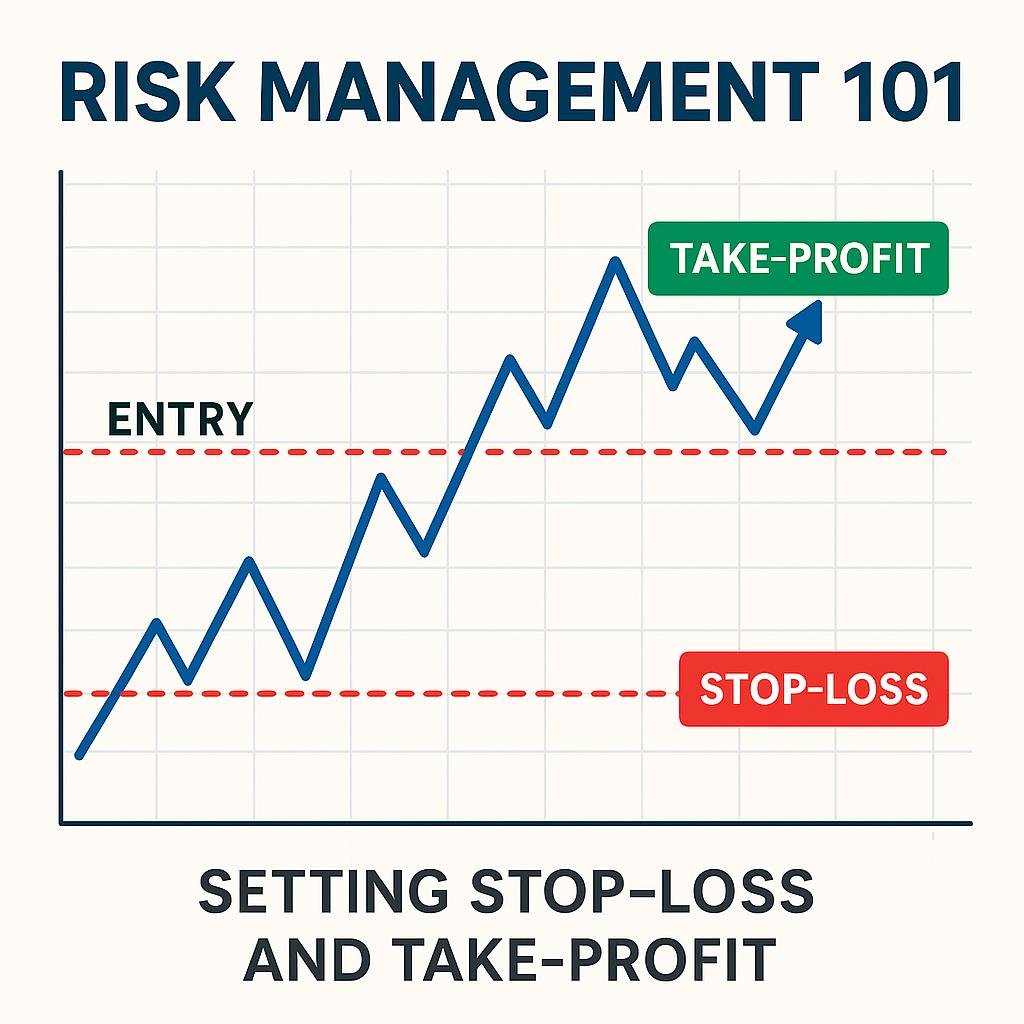
Types of Stop Loss Orders
Forex traders can choose from several types of stop loss orders depending on their trading strategy, risk tolerance, and market conditions. Understanding these different stop loss types allows traders to manage risk more effectively and select the most suitable protection method for each trade.
Standard Stop Loss
A standard stop loss is the most commonly used stop loss order in Forex trading. It is placed at a fixed price level and remains there until either the market reaches that level or the trader manually changes it.
For example, a trader may buy EUR/USD at 1.1000 and place a stop loss at 1.0950. If the market falls to 1.0950, the trade automatically closes, limiting the loss to approximately 50 pips.
The main advantage of a standard stop loss is its simplicity. It allows traders to define risk clearly before entering a trade. However, it requires careful placement because a stop loss that is too close may be triggered by normal market fluctuations, while one that is too far away may expose the account to unnecessary risk.
Trailing Stop Loss
A trailing stop loss automatically moves as the market moves in the trader’s favor. Unlike a standard stop loss, it does not remain fixed at one level.
Suppose a trader sets a trailing stop of 50 pips. If the market moves 100 pips in profit, the stop loss follows behind while maintaining the 50-pip distance. This allows the trader to lock in profits while still giving the trade room to continue moving.
Trailing stops are popular among traders who want to maximize gains during strong market trends. However, they must be used carefully because sudden market pullbacks can trigger the stop prematurely.
Guaranteed Stop Loss
Some brokers offer guaranteed stop losses, which ensure that a trade will close at the exact stop-loss level specified by the trader regardless of market volatility or price gaps.
This feature can be particularly useful during major news events when prices may move rapidly. However, guaranteed stop losses often come with additional costs or wider spreads.
Each type of stop loss has advantages and disadvantages. The best choice depends on the trader’s objectives, risk tolerance, and trading style.
Real-Life Example of a Stop Loss
To understand the importance of stop losses, consider a practical trading scenario.
Imagine a trader has a $2,000 Forex trading account and follows a strict risk management rule of risking only 1% of the account on any single trade. This means the maximum acceptable loss per trade is $20.
After analyzing the EUR/USD chart, the trader identifies a buying opportunity at 1.1000. Based on technical analysis, the trader determines that the trade setup becomes invalid if the market falls below 1.0950. As a result, a stop loss is placed at 1.0950. pip in Forex
Now two possible outcomes can occur.
In the first scenario, the market moves higher. The trade gains momentum, and the trader eventually exits with a profit. The stop loss was never triggered, but it provided peace of mind and risk protection throughout the trade.
In the second scenario, the market moves lower and reaches 1.0950. The stop loss automatically closes the trade, limiting the loss to the planned amount. Although the trade was unsuccessful, the trader only lost a small percentage of the account and remains financially and emotionally prepared for future opportunities.
Compare this with a trader who does not use a stop loss. If the market continues falling, losses may increase significantly. The trader may become emotional, hoping for a reversal, while the account balance continues shrinking.
This example demonstrates why stop losses are considered essential tools rather than optional features. They help traders control risk, preserve capital, and remain disciplined even when the market behaves unexpectedly.
Benefits of Using Stop Losses
Stop losses offer numerous benefits that extend beyond simply limiting losses. They are a critical part of professional trading and contribute significantly to long-term consistency.
Protects Trading Capital
The primary purpose of a stop loss is to protect trading capital. Every trader experience losing trades, but a stop loss ensures that no single loss becomes catastrophic. Capital preservation is the foundation of successful trading because traders cannot participate in future opportunities if their accounts have been severely damaged. leverage in Forex
Reduces Emotional Trading
Emotions such as fear, greed, and hope can negatively influence trading decisions. A stop loss removes much of this emotional burden by establishing an exit point before the trade begins. This helps traders remain objective and follow their trading plans more consistently.
Encourages Discipline
Successful trading requires discipline. Traders who use stop losses consistently are more likely to follow structured trading plans rather than making impulsive decisions. Over time, this discipline becomes a valuable habit that contributes to improved performance.
Supports Better Risk Management
Stop losses work together with position sizing and risk management strategies. They allow traders to calculate risk accurately and maintain consistent exposure across multiple trades.
Improves Long-Term Survival
One of the biggest reasons traders fail is not because they cannot find profitable trades but because they cannot survive periods of losses. Stop losses help traders stay in the market longer by ensuring that losses remain manageable.
Provides Peace of Mind
Knowing that a trade has a predefined maximum loss can reduce stress and anxiety. Traders do not need to monitor every price movement constantly because the stop loss automatically manages risk if the market moves against them.
Ultimately, stop losses help traders approach the market with professionalism rather than emotion, making them an essential component of every successful trading strategy.
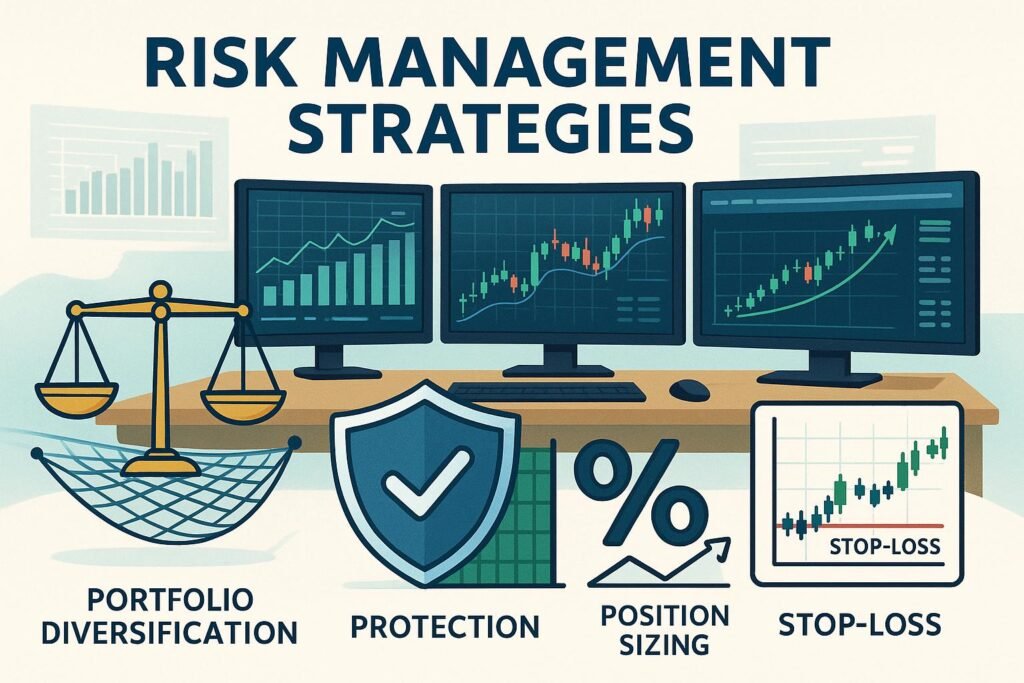
How a Stop Loss Works
A stop loss works by automatically instructing a broker to close a trade when the market reaches a specified price level. This process removes emotional decision-making and helps traders follow their risk management plan consistently.
Consider a trader who believes the EUR/USD currency pair will rise in value. The trader buys the pair at 1.1000 and decides that if the price falls to 1.0950, the original trade idea will no longer be valid. The trader therefore places a stop loss at 1.0950.
If the market moves higher as expected, the trade remains active and the trader can potentially earn a profit. However, if the market moves lower and reaches 1.0950, the stop loss automatically closes the position.
This automatic execution is extremely important because it prevents hesitation and emotional reactions. Many traders struggle to close losing trades manually because they become emotionally attached to their positions. They hope the market will reverse and recover their losses. Unfortunately, hope is not a trading strategy.
A stop loss forces traders to follow their predefined risk limit regardless of emotions. It helps answer one of the most important questions in trading:
“How much am I willing to lose if this trade does not work out?”
Professional traders answer this question before every trade. Beginners often ignore it until the market begins moving against them.
The ability to define risk before entering a trade is one of the characteristics that separates professional traders from gamblers.
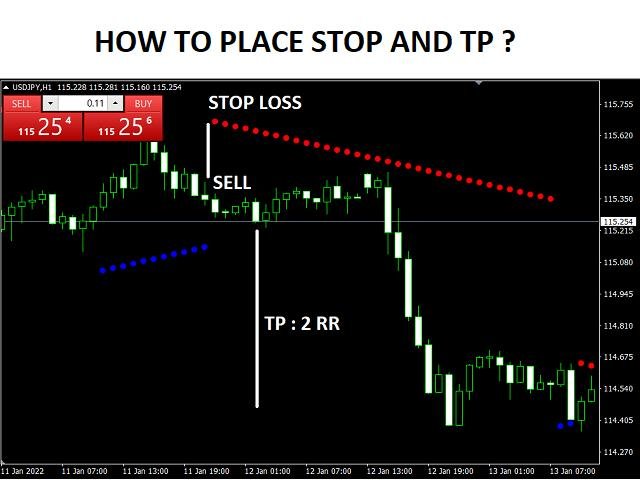
Common Stop Loss Mistakes
Although stop losses are simple in concept, many traders use them incorrectly. These mistakes often reduce the effectiveness of stop losses and can lead to unnecessary losses.
One of the most common mistakes is refusing to use a stop loss at all. Some traders believe they can monitor trades manually and close them when necessary. While this may sound reasonable in theory, it often fails in practice because markets can move much faster than human reactions.
Another common mistake is moving the stop loss further away after entering a trade. Imagine a trader places a stop loss 50 pips away from the entry price. As the market approaches the stop loss, fear begins to take over. Instead of accepting the loss, the trader moves the stop loss another 50 pips away.
The market continues moving against the position, and the trader repeats the process several times. What began as a small planned loss eventually becomes a significant account-damaging loss.
This behavior is dangerous because it destroys the entire purpose of using a stop loss. A stop loss is meant to define risk, not postpone it.
Some traders also place stop losses too close to their entry price. Markets naturally fluctuate, and even healthy trades often experience temporary pullbacks before continuing in the intended direction. When stop losses are placed too tightly, traders are frequently stopped out before the trade has an opportunity to develop.
Finally, many traders fail to consider position size when setting stop losses. A stop loss by itself does not guarantee proper risk management. The size of the trade must also be adjusted so that the potential loss remains within acceptable limits.
Using stop losses correctly requires discipline, patience, and a commitment to following a structured trading plan.
Stop Loss and Risk Management
Stop losses are one of the most important components of risk management in Forex trading. In fact, many professional traders consider risk management more important than trade entry strategies.
Risk management is the process of controlling how much money can be lost on any individual trade. A stop loss provides the mechanism that makes this possible.
For example, suppose a trader has a $5,000 account and follows a rule of risking only 1% per trade. This means the maximum acceptable loss on any trade is $50. margin call in Forex
Before entering the trade, the trader determines where the stop loss should be placed based on market analysis. The lot size is then adjusted so that if the stop loss is triggered, the total loss remains close to $50.
This approach creates consistency and protects the account from large drawdowns.
Without risk management, even a series of small mistakes can quickly destroy an account. However, with proper stop losses and position sizing, traders can survive losing streaks and remain active long enough to benefit from profitable opportunities. margin in Forex
Professional traders understand that trading is a long-term game. Their goal is not to win every trade. Instead, they focus on preserving capital, controlling risk, and maintaining consistency over hundreds or even thousands of trades.
A trader who protects capital effectively can always return another day to take advantage of new opportunities. A trader who allows a single trade to cause major damage may never recover. Forex risk management strategies
This is why stop losses are not simply optional tools. They are a fundamental part of professional trading discipline and long-term success.
Final Thoughts
Understanding what is a stop loss in Forex is one of the most valuable lessons a trader can learn. While many beginners focus on finding winning trades, experienced traders understand that long-term success depends on managing losses effectively.
A stop loss is more than just an order placed on a chart; it is a risk management tool that helps protect trading capital, maintain discipline, and reduce emotional decision-making. Since no trader can predict the market with complete accuracy, accepting and controlling losses is an essential part of successful trading.
Remember that even the best trading strategies experience losing trades. The goal is not to avoid losses entirely but to ensure that losses remain small and manageable. By using stop losses consistently, selecting appropriate position sizes, and following a well-structured risk management plan, traders can improve their chances of long-term survival and profitability in the Forex market.
Ultimately, successful trading is not about how much you make on a single trade. It is about protecting your capital, staying disciplined, and remaining in the market long enough to benefit from future opportunities.
Disclaimer
The information provided in this article is for educational and informational purposes only and should not be considered financial, investment, or trading advice. Forex trading involves significant risk and may not be suitable for all investors. The use of leverage can amplify both profits and losses, potentially resulting in the loss of your entire trading capital.
Before making any trading decisions, conduct your own research, assess your financial situation, and consider seeking advice from a qualified financial professional. Past performance does not guarantee future results, and no trading strategy can eliminate risk completely.
Always trade responsibly and use proper risk management techniques, including stop losses, to help protect your trading account.