
Introduction
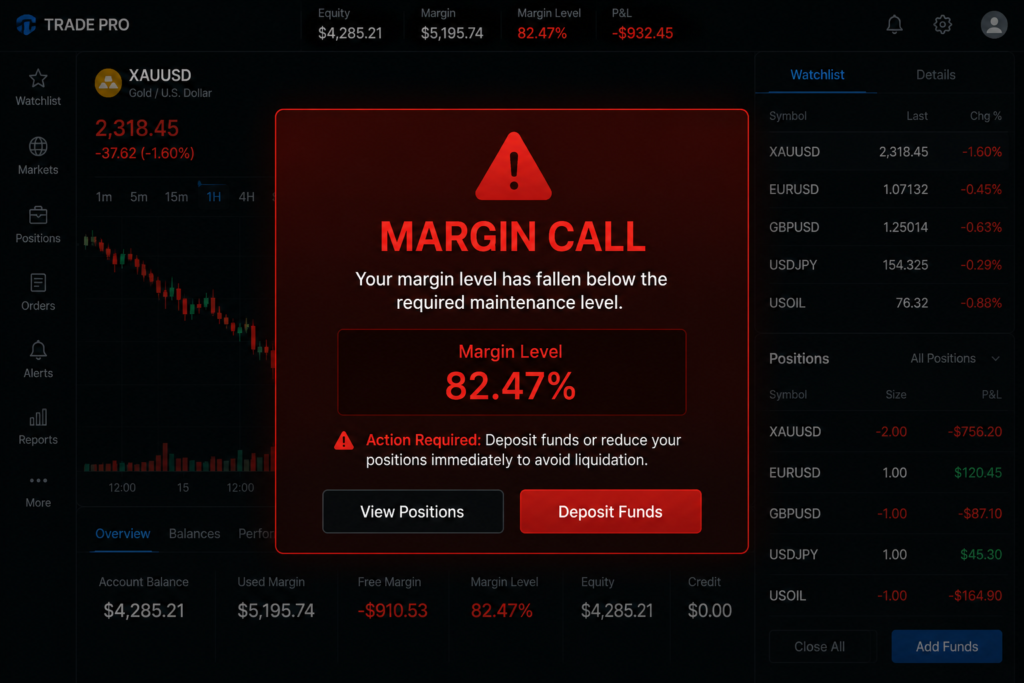
What is a margin call in Forex? A margin call occurs when a trader’s account balance falls below the minimum margin requirement needed to keep open trades running. It is essentially a warning from the broker that the account no longer has enough available funds to support active leveraged positions.
Margin calls are one of the most feared situations in Forex trading because they often happen when traders take excessive risks, use too much leverage, or fail to manage losses properly. Many beginner traders lose their accounts not because they lack trading opportunities, but because they do not fully understand how margin calls work.
In leveraged Forex trading, traders can control larger market positions using smaller amounts of capital. While this creates opportunities for larger profits, it also increases the risk of rapid losses. Trading costs and losses can quickly reduce available margin during volatile market conditions. When losses grow too large and account equity drops significantly, the broker may trigger a margin call or automatically close positions to protect the account from going negative. margin in trading explained
Understanding what a margin call in Forex is, is extremely important because it helps traders:
- manage risk effectively
- avoid overleveraging
- protect trading capital
- survive during volatile market conditions
A trader who understands margin calls is more likely to trade responsibly and avoid emotional decisions that destroy accounts.
What Is a Margin Call in Forex Trading?
A margin call in Forex trading happens when a broker notifies a trader that their account equity has dropped below the required maintenance margin level. This usually occurs when open trades are losing money and the trader no longer has enough free margin available to support those positions.
To understand this properly, traders must first understand the relationship between:
- margin
- leverage
- equity
- free margin
Margin is the amount of money reserved by the broker to keep a leveraged trade open. As trades move against the trader, unrealized losses reduce the account’s equity. When equity becomes too low relative to the used margin, the account approaches dangerous levels.
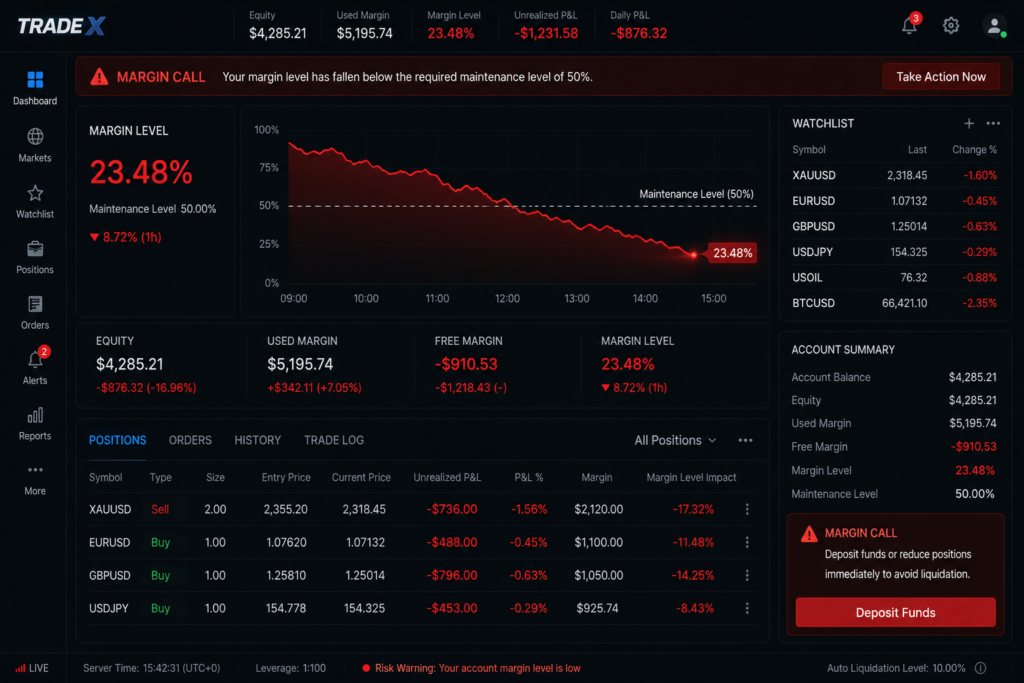
At this point, the broker may issue a margin call warning.
A margin call is essentially the broker saying:
“Your account is running out of usable funds, and your positions are at risk of being closed.”
If the market continues moving against the trader and losses increase further, the broker may automatically close positions through a process known as a stop-out.
Many beginners misunderstand margin calls and assume brokers are trying to “take their money.” In reality, brokers use margin calls as a protection mechanism to prevent accounts from falling into negative balances.
How Margin Calls Work
Margin calls occur because Forex trading uses leverage. Leverage allows traders to control large positions using relatively small deposits. While leverage increases potential profits, it also increases the speed at which losses accumulate.
For example, imagine a trader has:
- $1,000 account balance
- high leverage
- multiple large trades open
If the market moves against those trades:
- losses increase
- account equity decreases
- free margin shrinks
As the margin level drops closer to the broker’s required threshold, the account becomes vulnerable to a margin call.
Suppose the broker requires a minimum margin level of 100%. If the trader’s equity falls below that level, the broker may:
- issue a warning
- restrict new trades
- automatically close losing positions
The exact margin call level differs between brokers, but the principle remains the same:
- low equity
- high exposure
- insufficient free margin
This is why professional traders constantly monitor margin levels and avoid using excessive leverage.
What Causes Margin Calls?
Several common mistakes lead to margin calls in Forex trading.
Excessive Leverage
One of the biggest causes of margin calls is using very high leverage. Many beginners become attracted to the idea of controlling massive positions with small deposits, but they underestimate how quickly losses can grow.
Higher leverage means:
- larger exposure
- faster account fluctuations
- greater risk of liquidation
Even small market movements can severely damage overleveraged accounts. how leverage works in Forex trading
Oversized Lot Sizes
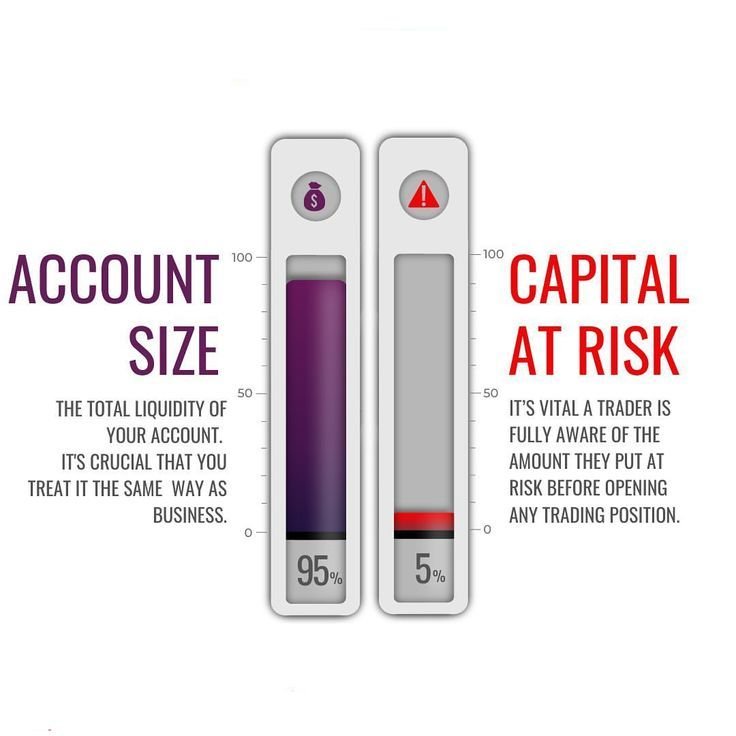
Large lot sizes consume more margin and increase risk dramatically. Many beginners open trades that are too large relative to their account balance.
For example:
- a small account using standard lots
- multiple large positions simultaneously
- aggressive compounding strategies
These behaviors quickly increase margin pressure.
Lack of Stop Losses
Some traders refuse to use stop losses because they hope the market will reverse in their favor. Unfortunately, losses can continue growing until free margin disappears completely.
Without proper stop-loss protection:
- losses become uncontrolled
- emotional stress increases
- margin calls become more likely
Emotional Trading
Fear, greed, revenge trading, and impatience often cause traders to ignore proper risk management.
After a losing trade, some traders immediately increase position sizes trying to recover losses quickly. This behavior usually increases risk exposure and accelerates account destruction. Even small market movements can severely damage overleveraged accounts.
Margin Call vs Stop-Out
Many beginners confuse margin calls with stop-outs, but they are not exactly the same.
Margin Call
A margin call is usually:
- a warning
- a notification
- an alert that account equity is dangerously low
It gives the trader an opportunity to:
- add more funds
- reduce exposure
- close trades manually
Stop-Out
A stop-out occurs when the broker automatically closes trades because losses have reached critical levels.
At this stage:
- the account no longer has enough margin
- positions are forcibly liquidated
- trader loses control over open trades
Stop-outs happen to protect the broker and prevent negative balances.
Understanding the difference between margin calls and stop-outs is important because many traders react too late after receiving margin warnings.
Psychological Impact of Margin Calls
Margin calls create intense emotional pressure, especially for inexperienced traders.
When traders see:
- equity dropping rapidly
- floating losses increasing
- margin levels collapsing
they often begin making irrational decisions.
Common emotional reactions include:
- panic trading
- revenge trading
- removing stop losses
- adding to losing trades
- refusing to close bad positions
This emotional instability often makes the situation even worse.
Professional traders understand that controlling emotions starts with proper risk management. Smaller position sizes and healthier margin levels reduce emotional pressure significantly.
This is why experienced traders focus heavily on capital preservation rather than aggressive short-term profits.
How to Avoid Margin Calls in Forex
Use Lower Leverage
Just because brokers offer high leverage does not mean traders should fully use it.
Lower leverage:
- reduces exposure
- improves account stability
- slows down loss accumulation
Manage Lot Sizes Properly
Choosing appropriate lot sizes helps traders maintain healthier margin levels and survive market volatility.
Smaller positions:
- reduce emotional pressure
- lower account risk
- improve long-term consistency
Always Use Stop Losses
Stop losses protect accounts from catastrophic losses.
A proper stop loss:
- limits downside risk
- preserves free margin
- improves discipline
Avoid Overtrading
Opening too many trades simultaneously can consume large amounts of margin and increase account vulnerability.
Quality trades matter more than quantity.
Monitor Margin Levels
Professional traders regularly monitor:
- free margin
- used margin
- margin level percentage
This helps them identify dangerous exposure before problems escalate.
Real-World Example of a Margin Call
Imagine a trader with:
- $500 account balance
- 1:500 leverage
- several oversized trades open
Initially, profits may look attractive because leverage amplifies market exposure.
However, if the market suddenly moves against the positions:
- losses increase rapidly
- free margin shrinks
- account equity collapses
Once the broker’s required margin level is breached, the trader may receive a margin call warning.
If losses continue:
- positions may be closed automatically
- most of the account balance may disappear
This example highlights why leverage, and margin must be handled carefully.
Many beginner traders focus heavily on profit potential while ignoring survival and risk control.
Common Beginner Mistakes
Some of the most common mistakes that lead to margin calls include:
- trading without stop losses
- using maximum leverage
- opening oversized positions
- emotional revenge trading
- ignoring risk management
- adding to losing trades
- misunderstanding margin requirements
Most margin calls are not random events. They are usually the result of repeated poor risk management decisions.
Frequently Asked Questions
Is a margin call bad?
Yes. A margin call indicates that the account is under significant financial pressure and may be close to forced liquidation.
Can you lose all your money in a margin call?
Yes. If losses continue growing and positions are stopped out, traders can lose most or all of their account balance.
How do I avoid margin calls?
Using proper risk management, smaller lot sizes, stop losses, and lower leverage can help reduce the risk of margin calls.
Do all brokers use margin calls?
Most leveraged Forex brokers use some form of margin call or stop-out protection system.
Can a margin call happen quickly?
Yes. During volatile market conditions, margin calls can happen very rapidly, especially when using high leverage.
Final Thoughts
Understanding what a margin call in Forex is, is essential for every trader who wants to survive long term in the market. Margin calls are not simply broker warnings they are signs that trading risk has become dangerously high.
Most traders who experience margin calls are not necessarily unlucky. In many cases, they are overleveraged, underprepared, and emotionally driven. Successful Forex trading is not about maximizing position sizes or chasing fast profits. It is about managing exposure carefully and protecting capital consistently.
Professional traders understand that survival comes before profit. By controlling leverage, using stop losses, managing lot sizes responsibly, and maintaining healthy margin levels, traders can reduce the risk of devastating losses and improve long-term consistency.
Margin calls are ultimately lessons in risk management. Traders who learn from them become more disciplined, patient, and strategic in their trading approach.
Disclaimer
This article is intended for educational purposes only and does not constitute financial or investment advice. Forex trading involves substantial risk and may not be suitable for all investors. Leveraged trading can amplify both profits and losses, and traders should carefully assess their financial situation before participating in the Forex market. Always practice proper risk management and conduct your own research before making trading decisions.