
Introduction
If you are wondering how to open a Forex trading account, you are taking one of the most important steps in your trading journey. A Forex trading account is what gives you access to the global currency market, allowing you to buy and sell currencies in real time. Without it, you cannot participate in Forex trading. learn Forex trading basics
Many beginners focus heavily on strategies like indicators, candlesticks, and trading signals, but forget that everything starts with setting up the right trading account. Choosing the wrong broker or misunderstanding the account setup process can lead to unnecessary losses, delays, or even exposure to scams.
This guide will walk you through everything you need to know about opening a Forex trading account, including choosing a broker, understanding account types, completing verification, and making your first deposit. By the end, you will have a clear, step-by-step roadmap to start trading safely and confidently.
What Is a Forex Trading Account?
A Forex trading account is a specialized financial account provided by a Forex broker that allows individuals and institutions to participate in the foreign exchange market. It serves as the connection between a trader and the global Forex market, enabling the buying and selling of currency pairs such as EUR/USD, GBP/USD, and USD/JPY.
Think of a Forex trading account as your personal gateway to one of the largest and most liquid financial markets in the world. Just as a bank account allows you to deposit, withdraw, and manage money, a Forex trading account allows you to access trading platforms, execute trades, manage positions, and monitor your overall trading performance.
When you open a Forex trading account, the broker provides you with login credentials that grant access to a trading platform such as MetaTrader 4 (MT4) or MetaTrader 5 (MT5). Through this platform, you can view live market prices, analyze charts, place orders, and manage trades from anywhere with an internet connection.
A Forex trading account offers several important functions, including:
- Buying and selling currency pairs in real-time
- Accessing trading platforms such as MetaTrader 4 and MetaTrader 5
- Depositing and withdrawing trading funds
- Monitoring account balance, equity, and margin levels
- Using leverage to control larger market positions with smaller capital
- Tracking profits, losses, and trading history
- Accessing market analysis, indicators, and trading tools
Forex trading accounts come in different forms depending on a trader’s needs and experience level. Some brokers offer demo accounts that allow traders to practice with virtual money, while live accounts involve real funds and actual market exposure. There are also specialized account types such as standard accounts, micro accounts, and ECN accounts, each designed for different trading styles and account sizes.
One of the most important features of a Forex trading account is access to leverage. Leverage allows traders to control larger positions than their account balance would normally permit. While leverage can increase potential profits, it can also magnify losses, which is why proper risk management is essential. Before using leverage, traders should understand concepts such as margin, lot size, stop loss orders, and risk-reward ratios.
Without a Forex trading account, it would be impossible to participate directly in the currency market. You would not be able to access live exchange rates, execute trades, analyze market movements in real time, or take advantage of trading opportunities. The trading account acts as the foundation upon which all Forex trading activities are built.
For beginners, opening a Forex trading account is often the first practical step toward becoming a trader. However, simply opening an account is not enough. Successful trading requires education, discipline, risk management, and continuous learning. A trading account provides access to the market, but knowledge and proper decision-making determine long-term success.
Step 1: Choose a Reliable Forex Broker
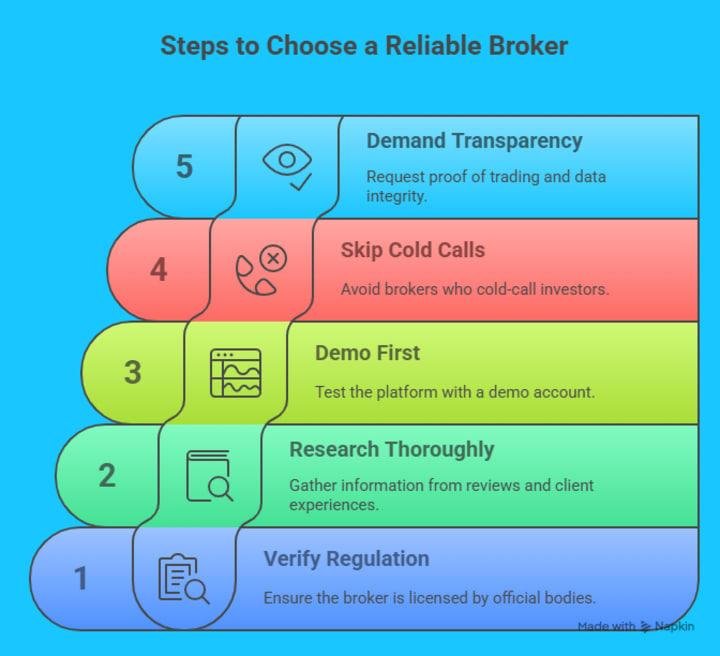
The first and most important step in opening a Forex trading account is choosing a reliable Forex broker. A Forex broker is a company that provides traders with access to the foreign exchange market. Whenever you buy or sell a currency pair, your trade is executed through the broker’s trading platform. Before choosing a broker, it is important to understand how Forex trading works, including concepts like leverage and risk management.
Selecting the right broker is critical because your trading experience, account security, trading costs, and access to the market will largely depend on the broker you choose. While there are hundreds of Forex brokers available online, not all of them offer the same level of reliability, transparency, and customer protection.
One of the first things to check is whether the broker is regulated by a recognized financial authority. Regulation helps ensure that brokers operate according to strict financial standards and protect client funds. Reputable regulatory bodies include the Financial Conduct Authority (FCA), the Australian Securities and Investments Commission (ASIC), and the Cyprus Securities and Exchange Commission (CySEC). Choosing a regulated broker reduces the risk of fraud and provides greater confidence when trading.
You should also evaluate the broker’s trading platform. Most brokers provide access to MetaTrader 4 (MT4) or MetaTrader 5 (MT5), which are among the most popular trading platforms in the Forex industry. The platform should be stable, user-friendly, and available on desktop and mobile devices.
Trading costs are another important consideration. Brokers earn money through spreads, commissions, and other fees. Lower trading costs can help improve profitability over time, especially for active traders. Before opening an account, compare the broker’s spreads on major currency pairs and review any additional charges that may apply.
Deposit and withdrawal options should also be examined carefully. A good broker provides convenient payment methods and processes withdrawals efficiently. Always read the broker’s withdrawal policy before funding your account.
Customer support is equally important. Beginners often need assistance during account setup, verification, deposits, withdrawals, or platform navigation. A broker with responsive customer service can save time and frustration when problems arise.
Finally, consider opening a demo account before committing real money. A demo account allows you to test the broker’s platform, execution speed, and overall user experience without financial risk. This can help you determine whether the broker is suitable for your trading needs before opening a live account.
Taking the time to research and compare brokers carefully can help you avoid costly mistakes and establish a strong foundation for your Forex trading journey.
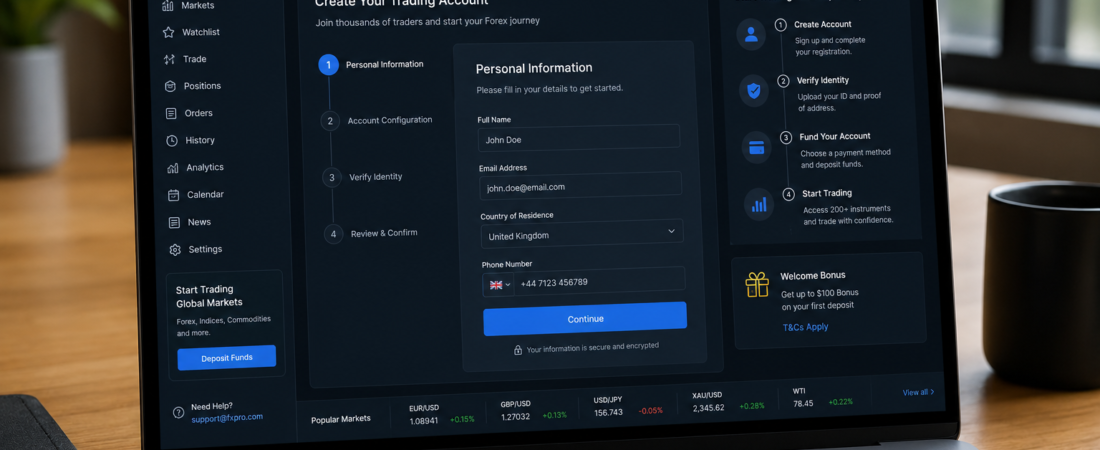
Step 2: Register an Account
Once you choose a broker, the next step is registration. demo account in forex
You will typically need to:
- Visit the broker’s website
- Click “Sign Up” or “Open Account”
- Enter your personal details (name, email, phone number)
- Create a secure password
After registration, you will receive a confirmation email to activate your account.
Step 3: Verify Your Identity (KYC Process)
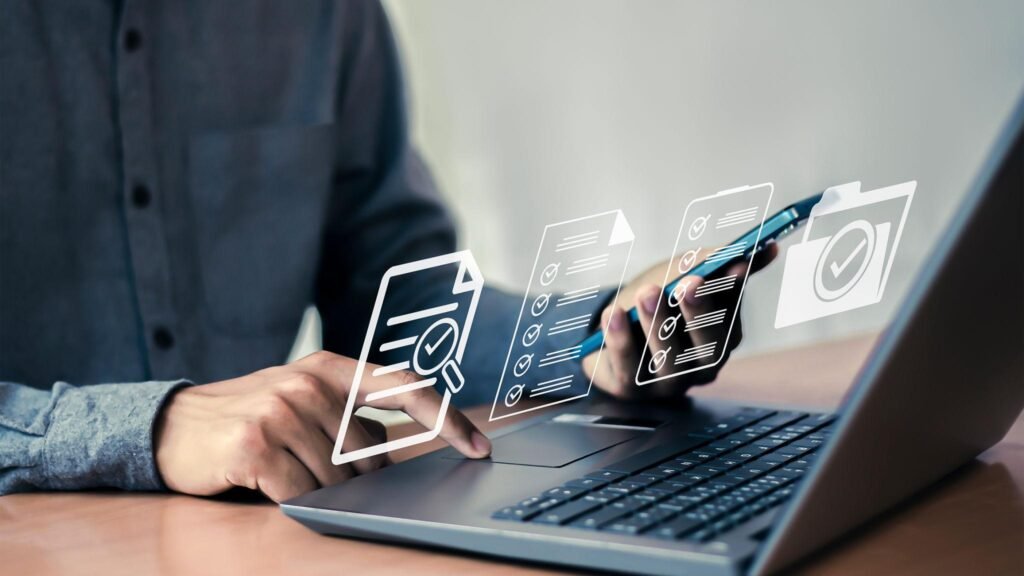
Most brokers require identity verification to comply with financial regulations. This process is called KYC (Know Your Customer). Verification is required before you can deposit and start trading using concepts like margin and lot size.
You will usually need:
- National ID card, passport, or driver’s license
- Proof of address (utility bill or bank statement)
Verification ensures your account is secure and helps prevent fraud. what is KYC in Forex trading
Although it may feel like a delay, this step is essential for safety and withdrawal access.
Step 4: Choose the Right Account Type
Forex brokers usually offer different account types depending on your experience and capital.
Demo Account
A demo account allows you to trade with virtual money. It is perfect for beginners to practice without risk.
Standard Account
This is a real trading account where you use real money and trade in live markets.
ECN Account
An ECN account provides direct market access with lower spreads but may charge commissions.
As a beginner, it is recommended to start with a demo account before switching to a live account.
Step 5: Deposit Funds
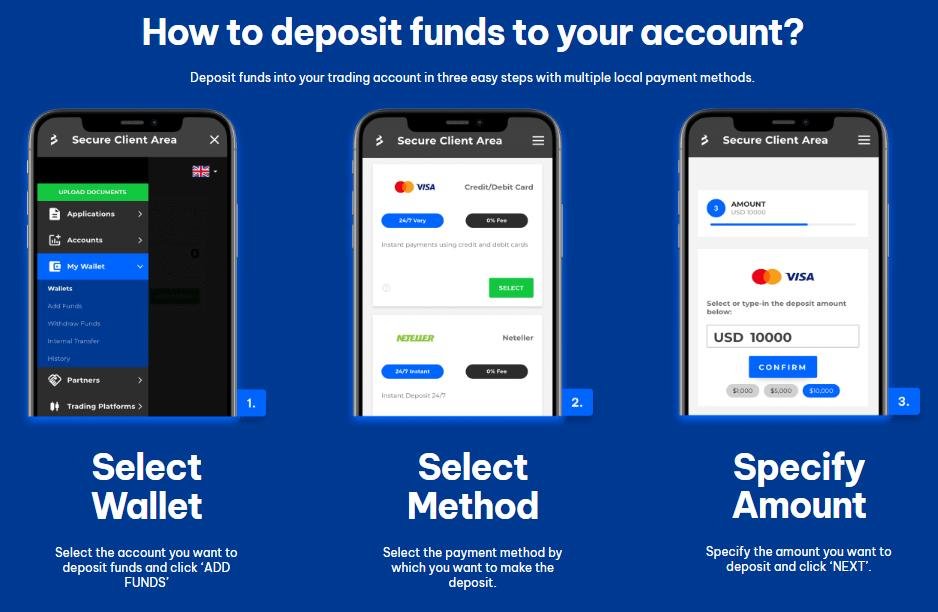
After your account is verified, you can deposit money to start trading.
Common deposit methods include:
- Bank transfer
- Mobile money
- Credit or debit card
- Online payment systems
Start with a small amount that you can afford to lose. Never deposit money under pressure or emotional decision-making.
How Much Money Do You Need to Open a Forex Trading Account?
One of the most common questions beginners ask is how much money they need to start Forex trading. The answer depends on the broker, account type, and personal financial situation.
Some brokers allow traders to open accounts with as little as $10 to $100, while others may require larger deposits. Although it is technically possible to start with a small amount, traders should focus on learning and developing skills rather than trying to generate large profits from a tiny account.
A common mistake among beginners is depositing more money than they can comfortably afford to lose. Forex trading carries significant risk, and losses are part of the learning process. For this reason, traders should only use risk capital—money that will not affect essential living expenses if lost.
Starting with a modest amount can help traders gain real market experience while limiting financial exposure. As confidence and consistency improve, traders can gradually increase account size over time.
Remember that success in Forex trading is not determined by how much money you start with. It is determined by how effectively you manage risk, control emotions, and follow a disciplined trading plan.
Step 6: Download and Set Up Trading Platform

Most brokers provide access to trading platforms such as MetaTrader 4 or MetaTrader 5. Most brokers use platforms like MT4 or MT5 where you execute trades using tools such as stop loss and take profit orders.
You will need to:
- Download the platform (mobile or desktop)
- Log in using your trading account credentials
- Familiarize yourself with charts, indicators, and order types
This platform is where you will execute all your trades.
Step 7: Start with a Demo or Small Live Trades
Before going big, practice trading using:
- Demo account (recommended for beginners)
- Small position sizes on live account
This helps you understand:
- Market movement
- Risk management
- Emotional control
Demo Account vs Live Account: Which Should You Choose?
One of the first decisions new traders face is whether to start with a demo account or a live trading account. Understanding the difference between the two can help you avoid costly mistakes.
A demo account uses virtual funds instead of real money. It allows traders to practice opening and closing trades, testing strategies, and learning how trading platforms work without risking actual capital. Because there is no financial risk involved, demo accounts are ideal for beginners who are still learning the fundamentals of Forex trading.
A live account, on the other hand, involves real money and real market conditions. Profits and losses directly affect your account balance. While a live account provides valuable experience, it also introduces emotional challenges such as fear, greed, and impatience. These emotions can significantly influence trading decisions.
Most successful traders begin with a demo account before transitioning to a live account. Once they demonstrate consistent performance and understand risk management principles, they move to live trading with small amounts of capital. This gradual approach helps build confidence while minimizing risk.
If you are completely new to Forex trading, it is generally advisable to spend time on a demo account before risking real money. The experience gained can save you from expensive mistakes later.
Important Tips for Beginners
Here are key rules to follow when opening and using a Forex trading account:
- Never trade without understanding risk management
- Avoid using high leverage at the beginning
- Always use a stop loss
- Start small and scale gradually
- Do not rush into live trading
- Focus on learning, not quick profit
Common Mistakes to Avoid
Many beginners fail because of avoidable mistakes:
- Choosing unregulated brokers
- Ignoring account verification rules
- Depositing too much money too early
- Skipping demo trading
- Trading without a plan
Avoiding these mistakes increases your chances of long-term success.
Security Tips When Opening a Forex Trading Account
The growth of online trading has created many opportunities for investors, but it has also attracted fraudulent brokers and scammers. Protecting your personal information and trading capital should always be a priority.
Before opening an account, verify that the broker is properly regulated and licensed. Visit the regulator’s official website and confirm that the broker’s license number is valid. Never rely solely on claims displayed on a broker’s website.
Use strong passwords and enable two-factor authentication whenever available. This provides an additional layer of security and helps protect your account from unauthorized access.
Be cautious of brokers that promise guaranteed profits, extremely high returns, or risk-free trading opportunities. Legitimate brokers understand that Forex trading involves risk and will never guarantee success.
You should also verify withdrawal policies before depositing funds. A reputable broker should provide clear information regarding deposits, withdrawals, fees, and processing times.
By taking these precautions, traders can reduce the likelihood of becoming victims of fraud and focus on developing their trading skills in a secure environment.
Frequently Asked Questions
Do I need money to open a Forex trading account?
Most Forex brokers allow you to create an account for free. However, you will need to deposit funds if you want to trade in a live market environment. Some brokers accept deposits as low as $10 to $100, while others may require larger amounts depending on the account type. Beginners are generally advised to start with an amount they can comfortably afford to lose while focusing on learning rather than making quick profits.
How long does it take to open a Forex trading account?
The account registration process usually takes only a few minutes. However, identity verification can take anywhere from a few hours to several business days depending on the broker and the documents submitted. To avoid delays, ensure that your identification and proof of address documents are clear, valid, and match the information provided during registration.
Can I open a Forex trading account on my phone?
Yes. Most modern Forex brokers allow traders to register, verify their accounts, deposit funds, and trade directly from their smartphones. Many brokers provide mobile applications for both Android and iOS devices, making it possible to manage trades and monitor the market from virtually anywhere.
What documents are required to open a Forex trading account?
Most brokers require proof of identity and proof of address. Common identity documents include passports, national identification cards, and driver’s licenses. Proof of address may include utility bills, bank statements, or official government documents showing your residential address.
Should I start with a demo account or a live account?
For most beginners, starting with a demo account is highly recommended. A demo account allows you to practice trading with virtual funds while learning how the market and trading platform work. Once you gain confidence and understand risk management principles, you can transition to a live account with a small deposit.
Is Forex trading legal?
Forex trading is legal in many countries around the world, although regulations vary by jurisdiction. Before opening an account, check your country’s laws and ensure that the broker you choose is authorized to provide services in your region.
How much money should a beginner deposit?
There is no universal amount, but beginners should avoid depositing large sums of money at the start. Many experienced traders recommend beginning with a modest amount that allows you to gain practical experience while limiting financial risk. The focus should be on learning and developing consistency rather than generating large profits immediately.
Can I lose money in Forex trading?
Yes. Forex trading involves significant risk, and losses are a normal part of the trading process. Market prices can move unexpectedly, resulting in losses if trades are not properly managed. This is why risk management techniques such as stop-loss orders, position sizing, and leverage control are essential.
What is the difference between a demo account and a live account?
A demo account uses virtual money and allows traders to practice without financial risk. A live account uses real money, meaning profits and losses directly affect your account balance. While demo trading is excellent for learning, live trading introduces emotional factors such as fear and greed that traders must learn to manage.
Can I have more than one Forex trading account?
Yes. Many traders maintain multiple accounts for different purposes. For example, one account may be used for long-term trading while another is used for short-term strategies. Some traders also maintain separate demo and live accounts to test new strategies before using them in real-market conditions.
Final Thoughts
Learning how to open a Forex trading account is the first real step toward becoming a trader. However, opening an account alone does not guarantee success. Your long-term results depend on how well you manage risk, control emotions, and apply proper trading discipline.
The best approach is to start small, practice consistently, and focus on learning rather than rushing profits. Every successful trader started with a simple account setup, just like you are doing now.
Take your time, choose your broker carefully, and build your skills step by step. In Forex trading, survival and consistency matter more than speed.
Disclaimer
The information provided in this article is for educational purposes only and does not constitute financial, investment, or trading advice. Forex trading involves significant risk and may result in the loss of capital. Always ensure you understand the risks involved and trade only with money you can afford to lose. Past performance is not indicative of future results.