
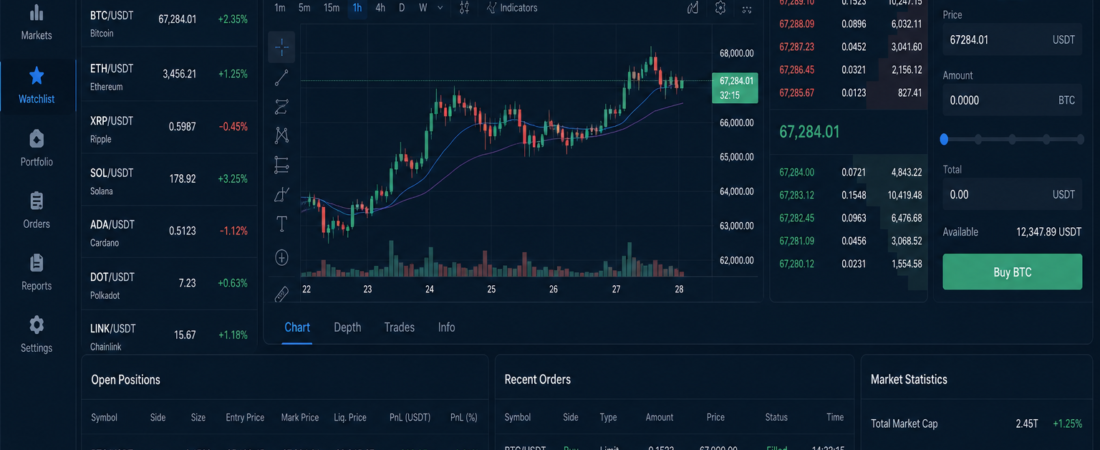
What is margin in Forex? Margin in forex refers to the amount of money a trader must set aside in their trading account in order to open and maintain a leveraged position. Understanding what margin in forex is essential for every beginner trader because it affects how positions are opened, managed, and closed. It acts as a security deposit required by the broker while a trade remains active in the market. Margin is a key concept in Forex trading and is closely linked to leverage and risk management. To understand margin better, it is important to first understand how leverage works in Forex trading. leverage in Forex trading
Many beginners mistakenly think margin is a fee paid to the broker, but this is not correct. Margin is not a transaction cost. The money still belongs to the trader. It is simply reserved temporarily by the broker as collateral for the leveraged trade.
To understand margin properly, you must first understand how leverage works. Forex brokers allow traders to control positions much larger than the actual money available in their accounts. This is possible because the broker provides borrowed buying power through leverage. Since the broker is effectively allowing traders to access larger market exposure, margin serves as protection in case the market moves against the trade.
For example, imagine a trader wants to control a $10,000 Forex position but only has $200 in their account. Without leverage and margin, this trade would be impossible. However, if the broker offers 1:100 leverage, the trader may only need around 1% of the total trade value as margin. In this case, approximately $100 would be locked as margin while the trade remains open.
Margin plays a critical role in Forex trading because it directly affects how many trades a trader can open, how much risk they are taking, and how much room their account has to withstand market fluctuations. Traders who do not understand margin often overexpose their accounts without realizing how quickly losses can escalate in leveraged markets.
One of the biggest misconceptions among beginners is believing that because margin requirements are small, the risk must also be small. In reality, lower margin requirements often mean higher leverage, which increases exposure significantly. This is why many inexperienced traders blow their accounts quickly, not because they lacked trading opportunities, but because they misunderstood how margin and leverage interact.
Professional traders treat margin as a risk management consideration, not as “extra money” to increase position sizes recklessly. The goal is not simply to maximize market exposure, but to preserve enough available capital to survive losing periods and continue trading consistently over the long term.
What is Margin in Forex Trading and How it Works?
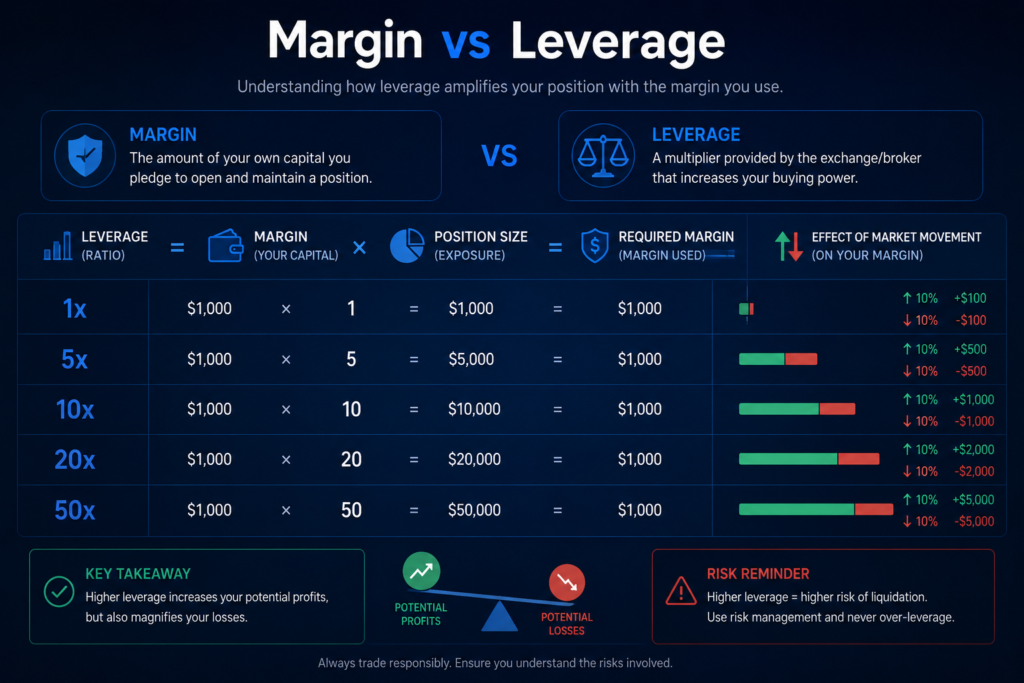
What is margin in forex trading is a concept that defines how much capital is required to open a leveraged position. Margin works as the foundation that allows leveraged trading to function in the Forex market. Every time a trader opens a leveraged position, the broker sets aside a portion of the trader’s account balance as margin. This reserved amount acts as collateral for the trade.
The exact amount of margin required depends on several factors, including:
- the size of the trade
- the leverage offered by the broker
- the currency pair being traded
- the broker’s margin policies
For example, if a broker offers 1:100 leverage, the trader only needs to provide 1% of the total trade value as margin. This means a trader could control a $10,000 position with just $100 in required margin.
Suppose a trader has $1,000 in their account and decides to open a leveraged EUR/USD position worth $20,000 using 1:100 leverage. The broker may lock approximately $200 as used margin while the trade remains active. The remaining balance becomes free margin, which can absorb market fluctuations or support additional positions.
This system allows traders with relatively small account balances to participate in larger market movements. However, it also creates significant risk because profits and losses are calculated based on the full trade size, not just the margin deposit.
For example, a 1% market movement on a $20,000 position represents a $200 change. If the trade moves in the trader’s favor, leverage amplifies gains. But if the trade moves against the trader, losses are amplified just as quickly.
This is why margin must always be understood together with risk management. Many beginners focus on how much margin they need to open a trade but fail to consider how much they stand to lose if the market moves against them.
Another important concept is that margin requirements fluctuate dynamically while trades are open. As market losses increase:
- account equity decreases
- free margin shrinks
- margin level drops
If losses become too large, the broker may issue a margin call or automatically close positions to prevent the account from falling into a negative balance.
Professional traders monitor margin carefully because they understand that surviving in Forex trading is not about maximizing position size. It is about maintaining enough available capital to withstand volatility and continue operating during difficult market conditions.
Margin should therefore be viewed as a tool that provides opportunity, but also as a responsibility that demands discipline and proper position management.
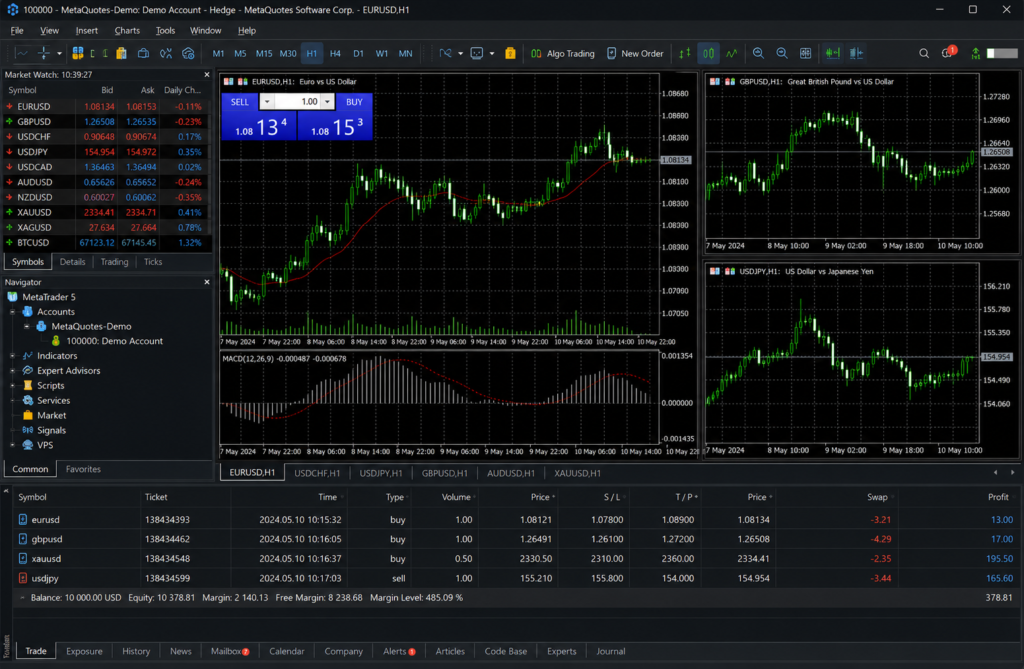
Margin and Lot Size Relationship
Margin requirements increase as trade size increases, which is directly related to your lot size. lot size in Forex trading
What Is a Margin Call?
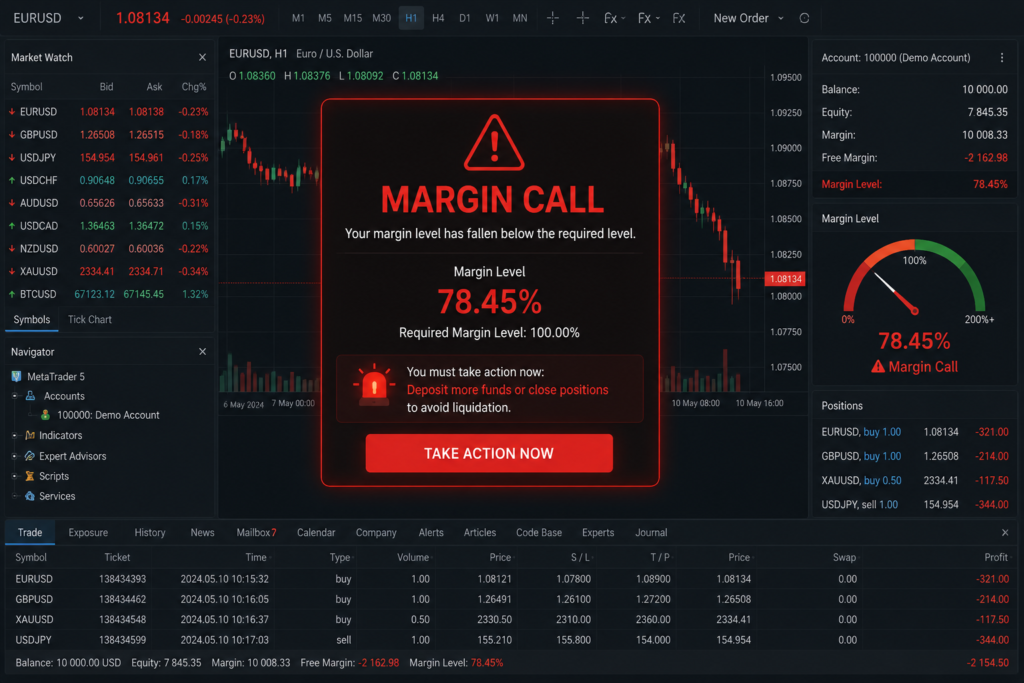
A margin call occurs when a trader’s account no longer has enough available funds to support open leveraged positions. It is essentially a warning that the account is running dangerously low on usable capital because of accumulated trading losses. Many traders fail because they do not fully understand what margin in forex is and how margin calls work.
Margin calls happen when market movements reduce account equity below the broker’s required maintenance level. Since leveraged trading allows traders to control larger positions with smaller deposits, losses can accumulate very quickly if risk is not managed properly.
For example, suppose a trader opens several large leveraged trades using most of their available margin. If the market begins moving against those positions, unrealized losses start reducing the account’s equity. As equity falls, the trader’s margin level also declines.
Once the margin level reaches a critical threshold set by the broker, the broker may issue a margin call. Depending on the broker’s policies, this may involve:
- warning the trader
- restricting new positions
- automatically closing existing trades
Automatic trade closures are known as stop-outs. Brokers use stop-outs to protect both themselves and the trader from losses exceeding the account balance.
Margin calls are one of the clearest signs of poor risk management. In many cases, traders receive margin calls not because they were wrong about market direction, but because they used excessive leverage and oversized positions relative to their account balance.
Emotion also plays a major role in margin call situations. Many beginner traders refuse to close losing positions because they hope the market will reverse. As losses continue growing, free margin disappears rapidly until the broker intervenes automatically.
Professional traders rarely experience margin calls because they manage position sizes conservatively and maintain healthy free margin levels at all times. They understand that protecting capital is more important than chasing oversized profits.
One of the smartest ways to avoid margin calls is to treat leverage cautiously. Just because a broker offers very high leverage does not mean it should be fully used. Higher leverage reduces the amount of required margin, but it dramatically increases account vulnerability during market volatility.
Ultimately, margin calls are not random events. They are usually the final consequence of excessive risk exposure, emotional decision-making, and poor position management. Understanding how margin calls work helps traders avoid the destructive cycle that causes many beginners to lose their trading accounts early in their Forex journey.
Why Margin Is Both Powerful and Dangerous
Margin is one of the reasons Forex trading attracts millions of traders around the world. It allows individuals with relatively small account balances to participate in a global financial market that would otherwise require enormous capital.
For example, without margin and leverage, controlling a $50,000 Forex position would require the trader to actually own $50,000 in cash. For most retail traders, this would be unrealistic. Margin solves this problem by allowing traders to control larger positions using only a fraction of the total trade value. Trading costs such as spreads can also affect your overall profitability when using margin. spread in Forex trading
This creates opportunity, but it also creates danger.
The same margin system that allows traders to increase profits can also accelerate losses much faster than many beginners expect. Because profits and losses are calculated on the full trade size rather than the small margin deposit, even small market movements can have a significant effect on the account balance.
This is why many inexperienced traders mistakenly believe they are “safe” simply because they only deposited a small amount of money into the trade. In reality, the actual market exposure may be much larger than they realize.
For example, a trader using very high leverage may control a $100,000 position with only a few hundred dollars in margin. A relatively small unfavorable market movement can then wipe out a large percentage of the account within minutes.
This is one of the harsh realities of leveraged trading:
- margin increases opportunity
- but margin also increases vulnerability
Professional traders understand this balance clearly. They do not view margin as a shortcut to fast wealth. Instead, they use margin strategically while maintaining strict control over risk exposure.
Many successful traders deliberately use lower leverage and smaller position sizes even when brokers offer much higher leverage. This approach may seem slower, but it dramatically improves long-term survival and consistency.
The goal in Forex trading is not simply to stay in profitable trades. The real goal is to survive long enough to allow skill, discipline, and consistency to compound over time.
The Psychological Impact of Margin in Forex Trading
One area many beginner traders underestimate is the psychological pressure that margin and leverage create during live trading.
When traders use excessive leverage, even small price movements begin to create large fluctuations in account equity. This emotional pressure often causes irrational decisions such as:
- panic closing trades
- moving stop losses emotionally
- revenge trading after losses
- increasing position sizes recklessly
- refusing to accept losses
For example, a trader using conservative leverage may experience only small account fluctuations during normal market movements. This allows them to think clearly and follow their trading plan objectively.
However, a trader using extremely high leverage may see their account gain or lose large amounts within minutes. This emotional intensity can overwhelm discipline and force impulsive decisions.
This is why many beginner traders fail even when they understand technical analysis. The issue is not always lack of strategy. In many cases, the real problem is excessive risk exposure creating emotional instability.
Margin therefore affects more than just account numbers — it affects trader psychology directly.
Professional traders understand that emotional control is impossible without proper position sizing and margin management. They know that if risk becomes too large, emotions eventually override logic.
One of the hidden benefits of using smaller positions and healthier margin levels is psychological stability. Traders become more patient, more disciplined, and more capable of following long-term trading plans consistently.
This is why professional trading is often less exciting than beginners expect. Experienced traders are not trying to experience emotional highs from oversized positions. They are trying to protect their capital while generating steady long-term growth.
In Forex trading, survival and emotional consistency matter far more than aggressive short-term gains.
Real-World Example of Margin and Risk
Imagine two traders each have a $1,000 account balance.
Trader A — Conservative Approach
Trader A uses:
- low leverage. Margin works together with leverage in Forex trading, which allows traders to control larger positions with smaller amounts of capital.
- proper stop losses
- controlled lot sizes
He opens a small trade requiring only $50 margin. Even if the market fluctuates temporarily against him, his account still has plenty of free margin remaining. Even small pip movements can significantly impact margin levels when using high leverage. pip in Forex
Because his risk exposure is controlled:
- emotional pressure stays manageable
- account survival probability remains high
- one losing trade does not destroy the account
Trader B — Aggressive Approach
Trader B uses maximum leverage and opens multiple oversized positions simultaneously.
His account quickly consumes most available margin. At first, profits may appear larger during favorable market movements, creating a false sense of confidence.
However, when the market suddenly moves against him:
- free margin disappears rapidly
- margin level collapses
- emotional panic begins
- broker may trigger stop-outs
Within a short period, Trader B may lose most or all of the account balance.
This example highlights an important reality of Forex trading:
The market does not reward aggression consistently. It rewards disciplined risk management over long periods of time.
Many beginners focus heavily on how much profit leverage can generate, but experienced traders focus more on how much damage excessive leverage can cause.
This mindset shift is one of the biggest differences between gambling behavior and professional trading behavior.
Final Thoughts
Margin is one of the most important concepts every Forex trader must understand before risking real money in the market. While margin allows traders to control larger positions with smaller amounts of capital, it also increases exposure to risk significantly when combined with high leverage and poor risk management.
Many beginner traders focus heavily on profit potential while ignoring how quickly losses can grow in leveraged trading environments. This often leads to overtrading, emotional decision-making, margin calls, and eventually account failure.
Successful traders approach margin differently. They understand that long-term survival in Forex trading depends more on protecting capital than chasing oversized profits. Instead of using maximum leverage recklessly, disciplined traders focus on controlled position sizing, healthy free margin levels, proper stop losses, and consistent risk management practices.
Margin itself is not dangerous. The real danger comes from misusing it without fully understanding the risks involved. Used responsibly, margin becomes a valuable tool that provides flexibility and market access. Used carelessly, it can rapidly magnify losses and destroy trading accounts.
The traders who succeed long term are not usually the ones taking the biggest risks. They are the ones who manage exposure carefully, remain emotionally disciplined, and protect their capital through every market condition. Mastering what is margin in forex helps traders manage risk and avoid unnecessary losses.
Disclaimer
This article is intended for educational and informational purposes only and does not constitute financial, investment, or trading advice. Forex trading involves substantial risk and may not be suitable for all investors. Leveraged trading can amplify both profits and losses, and traders should fully understand the risks involved before participating in the Forex market.
Always conduct your own research, practice proper risk management, and consider consulting a qualified financial adviser before making trading decisions. Past performance does not guarantee future results.