
What is Spread in Forex?
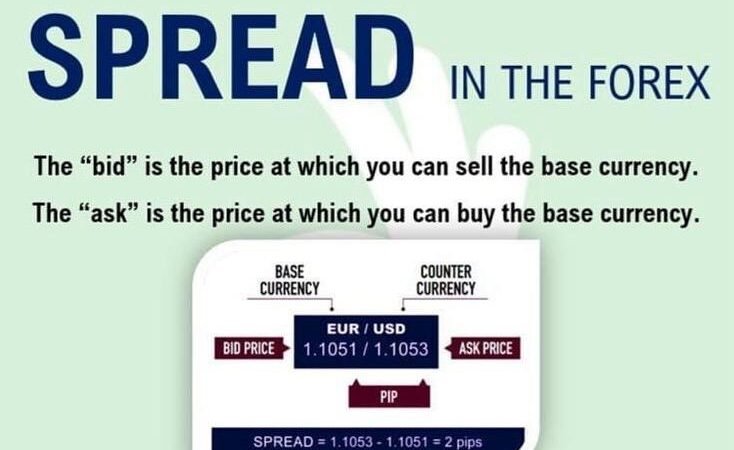
What is spread in Forex? The spread is the difference between the buy price (also called the ask price) and the sell price (known as the bid price) of a currency pair. In simple terms, it represents the cost traders pay to enter a trade in the Forex market.
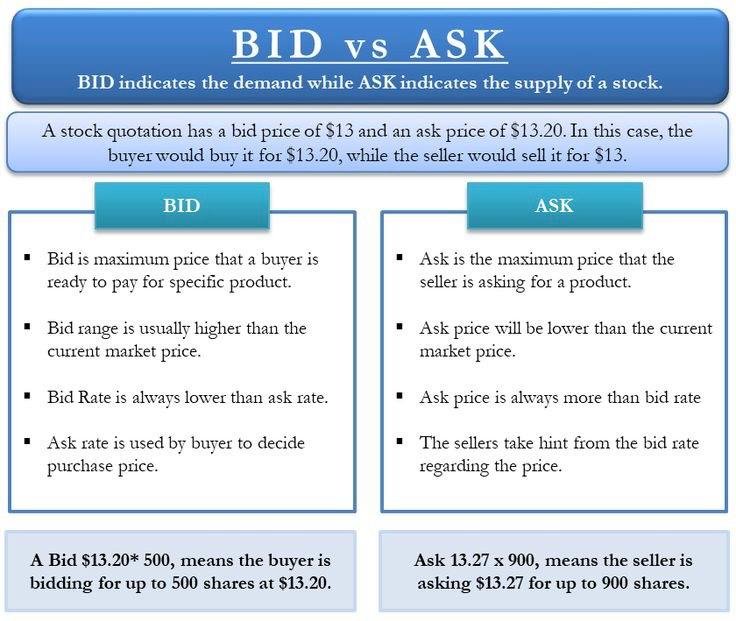
Every time you place a Forex trade, the market automatically gives you two different prices:
- the bid price
- the ask price
The bid price is the amount buyers in the market are willing to pay for a currency pair, while the ask price is the amount sellers are asking for that same pair. The ask price is always slightly higher than the bid price, and the difference between these two prices is called the spread. To fully understand how spread is measured, you need to understand what a pip is in Forex. what is a pip in forex
For example, if EUR/USD shows a bid price of 1.1050 and an ask price of 1.1052, the difference between them is 2 pips. That means the spread for that trade is 2 pips.
Spread is one of the most important concepts beginners must understand because it directly affects profitability. The moment you open a trade; you usually start in a small negative position equal to the spread cost. This means the market must move in your favor by at least the size of the spread before you begin making profit.
Think of spread as the “entry fee” for participating in a Forex trade. Just as a business pays operating costs before making profit, traders also pay spread costs before earning returns in the market.
Spreads can vary depending on several factors, including market volatility, liquidity, trading sessions, and broker pricing models. Major currency pairs such as EUR/USD often have lower spreads because they are heavily traded, while exotic or less liquid pairs usually have wider spreads.
Understanding how spreads work is essential for proper risk management, especially for short-term traders such as scalpers and day traders who open multiple trades daily. Even small spread differences can significantly affect overall profitability over time.
Why Spread Exists in Forex Trading
Forex brokers and liquidity providers use spreads as one of the primary ways to make money from trades. Every time a trader enters the market, the broker earns a small amount through the difference between the bid price and the ask price.
Instead of charging direct commissions on every transaction, many Forex brokers build their fees into the spread itself. This means traders may not always see a separate trading fee, but they are still paying a cost through the spread whenever they open a position.
For example, if a broker offers EUR/USD with a 2-pip spread, the trade automatically begins with a small loss equal to those 2 pips. The market must then move in the trader’s favor before the position becomes profitable.
This is why spread size matters greatly in Forex trading:
- tighter spreads = lower trading costs
- wider spreads = higher trading costs
Tighter spreads are generally preferred because they reduce the amount traders must recover before making profit. Major currency pairs such as EUR/USD and GBP/USD often have tighter spreads because they are traded in high volumes and have strong market liquidity.
On the other hand, wider spreads increase trading expenses and can reduce profitability, especially for traders who open multiple positions daily. Spreads also tend to widen during periods of high market volatility, low liquidity, or major economic news releases.
Understanding how brokers earn through spreads helps traders make smarter decisions when comparing trading platforms and choosing suitable market conditions for trading.
Understanding Bid and Ask Prices
You should explain this section more deeply because beginners often confuse:
- who is buying
- who is selling
- why there are two prices
Understanding Bid and Ask Prices
Bid Price
The bid price is the price at which the market is willing to buy a currency pair from you. In other words, it is the price traders receive when they want to sell a currency pair.
For example, if you already own EUR/USD and want to close your trade by selling, the market will pay you the bid price. This is why the bid price is sometimes referred to as the “sell price.”
Ask Price
The ask price is the price at which the market is willing to sell a currency pair to you. This is the price traders pay when they want to open a buy position.
For example, if you want to buy EUR/USD, you will enter the trade using the ask price. Because of this, the ask price is also known as the “buy price.”
Why Are the Prices Different?
The ask price is always slightly higher than the bid price, and the difference between them is called the spread.
This difference exists because brokers and liquidity providers use the spread as compensation for facilitating trades in the Forex market. The spread acts as a transaction cost that traders must pay when entering a position.
For instance, if EUR/USD shows:
- Bid price: 1.1050
- Ask price: 1.1052
The difference between these two prices is 2 pips, meaning the spread is 2 pips.
This also explains why traders usually begin a trade in a small negative position immediately after entering the market. The price must first move enough to cover the spread before the trade becomes profitable.
Understanding the relationship between bid price, ask price, and spread is essential because these concepts affect every Forex trade you place, regardless of strategy or experience level.
Example of a Forex Spread
Suppose EUR/USD shows:
- Bid price: 1.1050
- Ask price: 1.1052
The difference is:
2 pipsThat means the spread for this trade is 2 pips.
How Spread Affects Your Profit
Spread acts as an automatic trading cost that every trader pays when entering a position in the Forex market. It is not a separate visible fee, but it is built directly into the buy and sell prices of a currency pair.
For example, if you enter a trade with a 2-pip spread, the moment your trade is opened, you are already at a small loss equal to those 2 pips. This means the market must first move at least 2 pips in your favor before your position reaches the break-even point. Only after covering this initial cost can your trade start generating profit.
This is why traders prefer lower spreads. A smaller spread reduces the distance price must move before becoming profitable, which improves efficiency and increases potential returns over time. Lower spreads are especially important for short-term traders such as scalpers and day traders, who rely on small price movements and open multiple trades within a short period.
On the other hand, higher spreads increase trading costs and make it harder to reach break-even quickly. Over many trades, wide spreads can significantly reduce overall profitability, even if a trader has a good strategy.
Because of this, experienced traders always consider spread conditions before entering the market, as it directly affects both risk and reward.
Types of Spreads in Forex
Fixed Spread
A fixed spread is a type of spread that remains constant under normal market conditions. This means that the difference between the bid price and the ask price does not change frequently, even when the market experiences minor fluctuations.
Fixed spreads are often preferred by beginners because they offer predictable trading costs. Traders know in advance how much they will pay in spread fees, which makes it easier to calculate potential profits and manage risk. This stability can be especially helpful for new traders who are still learning how the Forex market behaves.
However, fixed spreads may sometimes widen temporarily during extreme market volatility or major economic news events, depending on the broker’s policy.
Variable Spread
A variable spread, also known as a floating spread, changes depending on market conditions. Unlike fixed spreads, it is not constant and can expand or contract at different times.
Variable spreads are influenced by several factors, including:
- market volatility
- trading session activity
- liquidity levels
During highly active trading sessions, spreads may become tighter due to increased liquidity. However, during major news releases or low-liquidity periods, spreads can widen significantly.
For example, during important economic announcements such as interest rate decisions or employment reports, spreads may increase suddenly due to rapid price movements and uncertainty in the market.
Variable spreads are commonly used by brokers that offer direct market pricing, and they often provide lower average spreads compared to fixed spreads, but with less predictability.
Factors That Affect Spread
Several key factors influence Forex spreads and understanding them helps traders anticipate when trading costs may increase or decrease.
Market Liquidity
Market liquidity refers to how actively a currency pair is being traded. Major currency pairs such as EUR/USD and GBP/USD usually have tighter spreads because they have high trading volume and many buyers and sellers in the market. When liquidity is high, it is easier for brokers and liquidity providers to match orders quickly, which reduces the spread.
Volatility
Volatility refers to how quickly and aggressively prices are moving in the market. During high-impact news events such as interest rate decisions, inflation reports, or employment data releases, spreads often widen. This happens because price movements become unpredictable, and brokers increase spreads to manage risk during unstable conditions.
Trading Sessions
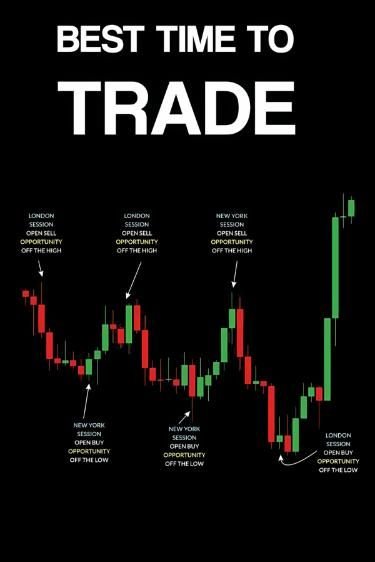
Forex spreads also depend on the trading session. Spreads are usually tighter during active market periods when liquidity is high, especially during the London and New York sessions. During quieter periods, such as the Asian session or late-night trading hours, spreads may widen due to lower trading activity.
Broker Type
Different brokers offer different pricing models, which directly affect spreads. Some brokers provide fixed spreads, while others offer variable spreads that change based on market conditions. Brokers with direct market access and strong liquidity connections typically offer tighter spreads, while others may include wider spreads as part of their pricing structure.
Understanding these factors helps traders choose better trading conditions and avoid entering the market during periods of unnecessarily high trading costs.
Spread and Lot Size Relationship
Spread cost becomes more significant as lot size increases in Forex trading. This is because the spread is not just a fixed cost in theory — its real monetary value depends on the size of the trade you are executing. The impact of spread also depends heavily on your position size, known as lot size. what is lot size in forex
For example, a 2-pip spread on a micro lot (1,000 units) represents a very small cost in dollar terms. However, the same 2-pip spread on a standard lot (100,000 units) becomes much more expensive because you are trading a much larger volume of currency.
This means that although the spread value in pips remains the same, the actual financial impact increases as your lot size grows. A small trader may barely notice the cost of the spread, but a larger position can experience a significant deduction even before the trade moves in profit.
This is why understanding both spread and lot size together is essential for proper risk management. Traders who ignore this relationship often underestimate their real trading costs, especially when scaling up their position sizes.
In simple terms, the bigger your trade size, the more you pay for the same market movement. This is why professional traders always calculate both spread and lot size before entering any trade, ensuring that their strategy remains profitable even after trading costs are deducted.
How to Reduce Spread Costs
Traders can reduce spread costs by:
- choosing low-spread brokers
- trading major pairs
- avoiding low-liquidity periods
- avoiding major news events if inexperienced
Common Mistakes Beginners Make
One common mistake is ignoring spread when calculating potential profit.
Some beginners open many small trades without realizing spreads accumulate over time.
Another mistake is trading during highly volatile news events where spreads widen suddenly.
Frequently Asked Questions
Is spread a fee?
Yes. Spread is effectively a trading cost paid when entering a trade.
What is a good spread in Forex?
For major pairs like EUR/USD, spreads between 0.5 and 2 pips are generally considered competitive.
Do all brokers use spreads?
Most Forex brokers use spreads, although some combine spreads with commissions.
Why do spreads increase at night?
Liquidity becomes lower during inactive market hours, causing spreads to widen.
Final Thoughts
Spread is one of the most important hidden costs in Forex trading and understanding it properly can significantly improve a trader’s long-term performance. Many beginners focus only on market direction while ignoring how spreads affect profitability, trade execution, and overall risk management.
Even though spreads may appear small, they become more important as trading frequency and lot size increase. Traders who ignore spread costs often underestimate their real expenses in the market.
By understanding bid and ask prices, comparing broker conditions carefully, and avoiding poor trading conditions during volatile periods, traders can reduce unnecessary costs and make more informed decisions. Mastering the concept of spread is an important step toward becoming a disciplined and risk-aware Forex trader.
Disclaimer
This article is intended for educational purposes only and does not constitute financial or investment advice. Forex trading involves significant risk and may not be suitable for all investors. Always conduct your own research and consider your financial situation before trading.